In the world of motorcycles, certain models shimmer like rare gems within a vast collection, their luster undiminished by the relentless passage of time. The 1987 Honda Rebel 250 is one such jewel—a cavalier steed that gallops gracefully through decades, maintaining its allure and relevance despite the ever-evolving landscape of motorcycling. More than just a transportation device, the Rebel is an emblem of heartfelt simplicity melded with a sprightly spirit, a paradoxical blend of humble beginnings and enduring prestige.
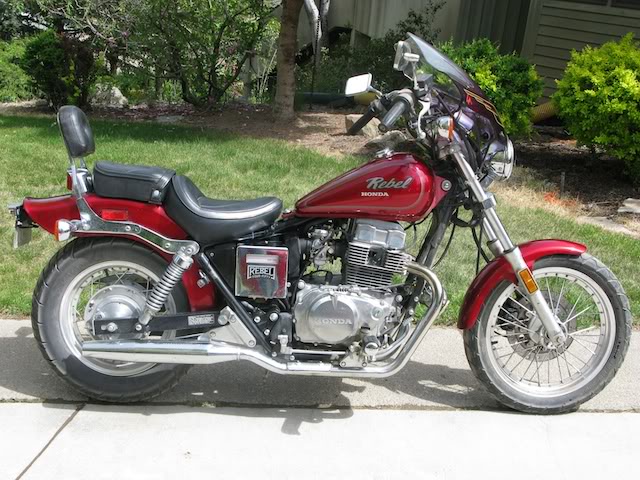
At first glance, the 1987 Honda Rebel 250’s design might seem modest, almost unpretentious. However, beneath its demure shell lies a motorcycle imbued with the sort of character that resonates deeply with riders who appreciate authenticity over ostentation. Its aesthetic is a purposeful nod to classic cruiser styling, boasting a low seat height, a sleek, solo-seat configuration, and a minimalist frame that evokes the image of a thoroughbred horse—ready to bolt yet controlled with poise. The Rebel exudes a nostalgia that recalls the golden era of motorcycling, yet its appeal remains firmly planted in the present.
The 250cc parallel twin-cylinder engine is the mechanical heart that keeps the Rebel pulsing with life. This engine strikes a celestial balance between manageable power and fuel efficiency, making it an exemplary machine for both novice riders and seasoned commuters. Unlike the throaty roar of larger displacement motorcycles, the Rebel’s engine hums with a gentle purr, reminiscent of a well-tuned violin—soft, melodic, and possessing a refined charm. This makes it uniquely approachable; it’s not designed to dominate the road with brute force but to invite riders into an intimate partnership with their bicycle.
One of the most compelling aspects of the 1987 Honda Rebel 250 is its accessibility. Its low seat height and light weight render it remarkably friendly to those who may have been intimidated by the heft of larger bikes. This inclusivity fosters a sense of welcome, a rare commodity in the often intimidating world of motorcycles. The Rebel does not demand grandiosity; rather, it embraces modesty and respects the rider, encouraging confidence and skill-building with every twist of the throttle.
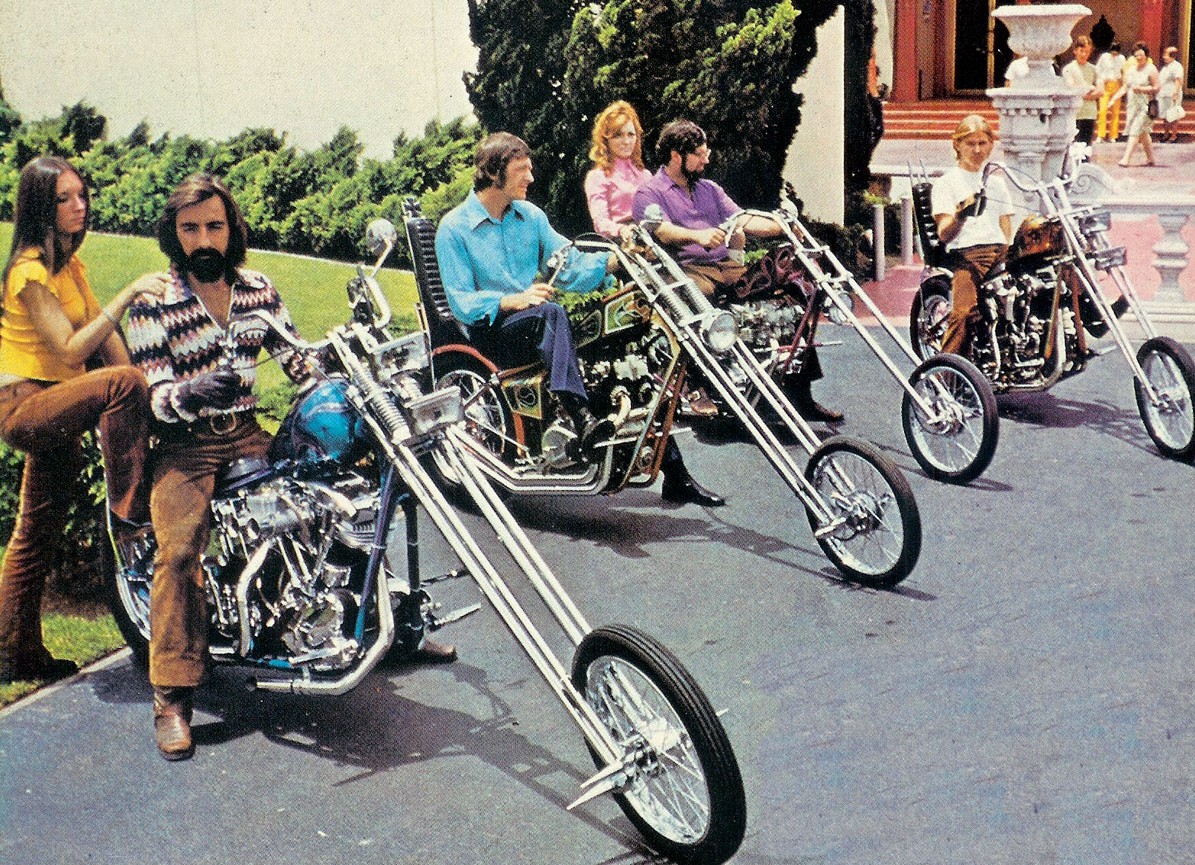
Beyond its mechanics and dimensions, the Rebel holds a unique sentimental value forged through years of cultural significance and steadfast reliability. It has been a rite of passage for many young riders, a reliable mentor guiding them through the early chapters of their motorcycling journey. The motorcycle’s simplicity is a canvas for personalization, spawning a vibrant subculture of customization and personalization. Riders often adorn their Rebels with vintage accessories, custom paint jobs, and bespoke seating—turning the motorcycle into an individualistic statement far beyond the factory specifications.
In the realm of maintenance and durability, the 1987 Honda Rebel 250 shines like a beacon of mechanical pragmatism. Its straightforward engineering and robust construction mean it is often described as nearly indestructible. Longtime owners laud the bike’s ease of repair and the widespread availability of parts, making it an economical choice that doesn’t sacrifice quality. In a market where motorcycles can be fickle and demanding, the Rebel is a steadfast companion, as dependable as the sunrise and twice as inspiring.
The cultural fabric that surrounds the Rebel further intensifies its magnetism. It occupies a liminal space between the utilitarian and the romantic, operating not just as a vehicle but as an extension of personal identity. Its legacy is colored by stories of freedom, youthful rebellion, and the open road—ideals that transcend generations. The Rebel invites riders to explore not only the physical world but also the uncharted territories of self-discovery. It is a vessel of liberation, a metaphorical key that unlocks adventures and memories.
An oft-overlooked dimension of the 1987 Rebel’s enduring popularity is its role as an environmentally conscious choice, well before the surge in eco-friendly vehicles became mainstream. The motorcycle’s modest fuel consumption and low emissions profile align with contemporary sensibilities that prize sustainability. It embodies a paradox—an emblem of freedom that simultaneously leaves a gentler footprint on the earth.
The allure of the 1987 Honda Rebel 250 is not merely about the machine itself but the experience it curates. Riding the Rebel is akin to slipping into a time capsule where every journey feels intimate and deliberate. There is a certain poetry in its throttle response—a gentle crescendo of power that invites mindfulness rather than recklessness. The Rebel encourages riders to savor the scenery, to appreciate the symphony of elements that weave the ride into a tapestry of moments.
In an era of technological excess and high-powered motorcycles thrusting innovation at breakneck speed, the 1987 Honda Rebel 250 stands as a monument to restraint and elegance. It reminds us that the essence of motorcycling is not necessarily in speed or complexity but in connection—connection to the machine, the road, and oneself. Its timeless design, approachable nature, and enduring reliability coalesce to form a motorcycle that is as relevant now as it was over three decades ago.
The Honda Rebel 250 embodies a philosophy that transcends mechanics and specifications—it is a celebration of simplicity, authenticity, and accessibility. Its continued popularity lies in its ability to inspire trust and ignite passion, proving that true greatness in motorcycling often comes not from excess, but from balance and soul. For riders of all walks of life, the Rebel is more than a bike; it is a companion on life’s winding pathways, a steadfast symbol of freedom that remains evergreen amidst the changing tides of motorcycling culture.