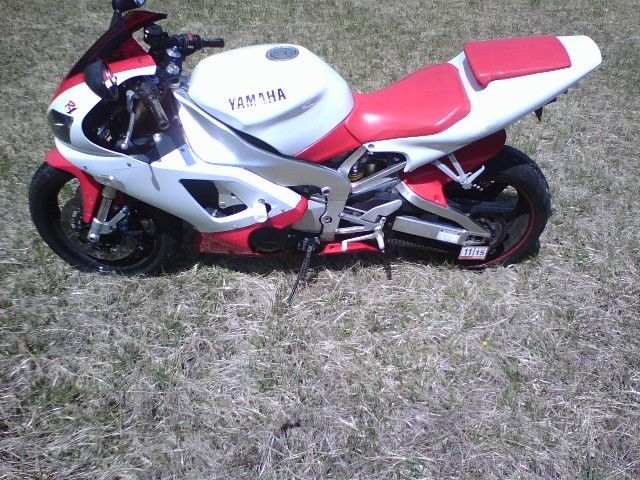
The 1998 Yamaha YZF-R1 stands as a formidable icon in the annals of superbike history, an engineering marvel that continues to captivate motorcycle enthusiasts around the globe more than two decades after its initial debut. Its blend of meticulous design, groundbreaking technology, and raw, unfiltered performance set new benchmarks in the late 1990s and remains astonishingly potent even by contemporary standards. This article delves deeply into the multifaceted allure of the 1998 Yamaha YZF-R1, illuminating why it is still revered as insanely fast today.
When the Yamaha YZF-R1 was launched in 1998, it demonstrated a quantum leap forward in the world of liter-class sportbikes. Unlike its bulkier predecessors, the R1 pivoted away from heavy, cumbersome frames, adopting a remarkably compact and lightweight design without sacrificing power. At the heart of the machine lies a 998cc, liquid-cooled, inline four-cylinder engine that churns out approximately 150 horsepower—a figure that still commands tremendous respect. The engine’s high-revving nature, paired with an aggressive intake and exhaust configuration, delivers a thrilling rush that biker aficionados describe as both visceral and refined.
The R1’s chassis is equally impressive. Yamaha’s engineers crafted a stiff yet lightweight aluminum twin-spar frame that imbues the bike with exceptional agility and responsiveness. The nimbleness yields razor-sharp handling characteristics, allowing riders to carve corners with crystalline precision. The suspension setup, featuring adjustable front forks and a rear monoshock, supports dynamic riding while providing enough compliance to absorb road imperfections. Combined with a balanced weight distribution, the R1 is remarkably poised on both track and street settings.
Beyond its mechanical prowess, the 1998 Yamaha YZF-R1 is a masterpiece of aesthetics and ergonomics. Its aggressive, aerodynamic fairings channel airflow efficiently while giving the bike a distinctly sleek silhouette. The compact rider triangle—incorporating clip-on handlebars, rear-set footpegs, and a minimalist seat—encourages a sporty, forward-leaning posture optimal for high-speed stability. The instrumentation cluster, though simple by today’s digital standards, provides essential data to keep every rider informed without distractions.
One cannot discuss the 1998 R1’s enduring appeal without touching on its technical innovations for the time. It was among the first production motorcycles to successfully marry superbike performance with a chassis and package size that approached that of smaller 600cc motorcycles. This unprecedented “everything-in-one” approach redefined what liter-class superbikes could achieve, effectively blurring distinctions between power and handling. The relatively low curb weight of roughly 416 pounds accentuates this balance, making it accessible yet exhilarating.
Performance-wise, the 1998 Yamaha YZF-R1 excels in remarkably diverse conditions. Whether sprinting down a straightaway or navigating the undulations of twisty mountain roads, it possesses an unyielding ability to maintain composure and accelerate with ferocity. Acceleration from 0 to 60 mph occurs within mere seconds, backed by a torque curve that remains robust across various RPM ranges. Its braking system, equipped with dual front discs and a single rear disc, delivers dependable stopping power, fostering rider confidence in aggressive scenarios.
When examining the cultural and historical context, the YZF-R1 served as a rallying point for Yamaha’s return to the super sport echelon. Prior to its release, the R6 had dominated the middleweight segment, but Yamaha sought to assert dominance in the liter bike arena against fierce competitors like the Honda CBR900RR and Suzuki GSX-R750. The 1998 R1’s groundbreaking synthesis of performance and handling galvanised a wave of admiration and reshaped expectations of what true superbikes should embody.
For those interested in the tuning and aftermarket scene, the 1998 Yamaha YZF-R1 remains a canvas of endless potential. Enthusiasts routinely explore modifications ranging from exhaust upgrades and fuel management recalibrations to suspension tuning and aerodynamic enhancements. Many riders upgrade the stock components with lightweight carbon fiber parts and high-performance braking kits, taking advantage of the R1’s inherently balanced platform to extract even greater levels of precision and speed. The engine itself responds well to breathing improvements, with aftermarket intakes and exhausts capable of enhancing power output while retaining reliability.
Moreover, despite its age, the 1998 Yamaha YZF-R1 benefits from a robust community of aficionados and mechanical experts. This strong support network simplifies maintenance and restoration efforts, ranging from routine upkeep to complex engine rebuilds. The durability and engineering quality embedded in the R1’s architecture ensure that many of these motorcycles continue to perform at the highest level with appropriate care—another testament to Yamaha’s foresight and craftsmanship.
Its relevance is not limited to the track or street; the R1 is often celebrated in motorcycle collections and even featured in vintage superbike shows worldwide. Collectors value it for its historical significance and the unmistakable joy it delivers when ridden. Its reputation as a high-performance machine that transcended the technological limits of its era is firmly entrenched, and the sight of a pristine ’98 model roaring down an open road still evokes awe and admiration.
In summary, the 1998 Yamaha YZF-R1 remains an extraordinary exemplar of superbike engineering. Its fusion of technological innovation, lightweight agility, and explosive power has stood the test of time, ensuring that it remains insanely fast and thrilling to ride in today’s performance landscape. For those seeking an authentic riding experience rooted in raw mechanical excellence, this model continues to impress and inspire. It is more than a motorcycle—it is a legend that perpetually challenges the boundaries of speed and handling nearly a quarter-century after it was first unleashed.