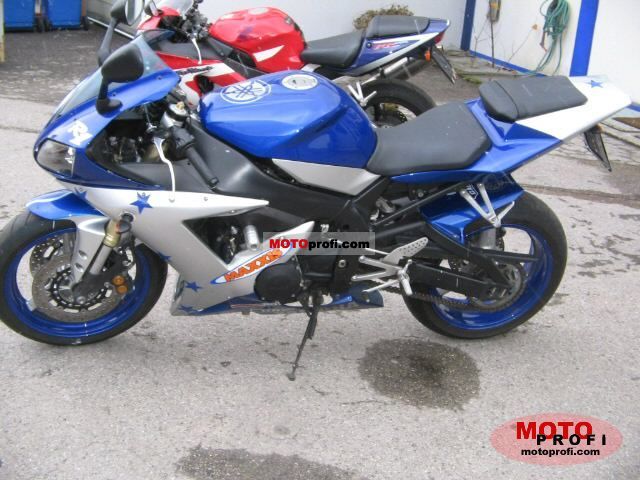
What if one machine could deftly blur the line between precision engineering and raw exhilaration? The 2002 Yamaha YZF-R1 confidently throws down the gauntlet, challenging riders to test the very limits of power and control. Heralded as a masterpiece of its era, this superbike redefined expectations with a perfect amalgamation of speed, agility, and sheer mechanical brilliance. But what precisely are the enigmatic forces that forged the R1’s ferocious reputation? Let’s embark on a meticulous dissection of its horsepower specifications and the dizzying velocities it attained, all while contemplating the subtle challenges lurking beneath its polished exterior.
At the heart of the 2002 Yamaha YZF-R1 lies a compact 998cc liquid-cooled, inline 4-cylinder engine that hums with a ferocity that belies its elegant design. This powerplant, finely tuned and meticulously engineered, churns out an astonishing approximate 150 horsepower at 11,750 rpm, a veritable powerhouse during its time. But horsepower numbers alone fail to encapsulate the nuanced charm of this machine’s mechanical prowess. The R1’s engine was celebrated for its seamless power delivery and an intoxicatingly responsive throttle that seemed to anticipate riders’ whims with uncanny foresight.
The engineering genius extends beyond mere horsepower figures. Yamaha reveled in pushing the envelope with technologies such as titanium valves, lightweight pistons, and a finely balanced crankshaft, all culminating in reduced reciprocating mass. This intricate ballet of components empowered the engine to rev freely, reaching peak outputs without sacrificing reliability or tractability. Does such a combination of high-revving enthusiasm and engineering finesse challenge other liter-class bikes even today? Absolutely.
Beyond the engine’s formidable specifications, the 2002 R1’s chassis and aerodynamics further propelled its reputation for blistering speed and agility. Yamaha’s hallmark Deltabox frame boasted an aluminum alloy construction that offered an ideal synergy between rigidity and lightness, ensuring the bike remained both nimble in corners and stable at frighteningly high speeds. Paired with adjustable suspension components and a sculpted bodywork designed to slice through wind with minimal resistance, the R1 was as much a bullet through the air as it was a marvel of mechanical art.
Speed enthusiasts often inquire: just how fast could the 2002 Yamaha R1 sprint across the tarmac? Officially, the machine could breach the quarter-mile in approximately 10.3 seconds, rocketing to a terminal velocity topping out near 175 miles per hour. These numbers, while impressive on paper, only hint at the adrenaline-infused experience of gripping the R1’s clip-on handlebars as it surges forward with an unrelenting surge of kinetic energy. The intoxicating mix of acceleration and cornering prowess made it an evergreen favorite for spirited rides on twisty backroads and grueling track days.
Yet speed is not without its subtleties. The R1’s delicately balanced chassis and potent engine demand an adept pilot who respects the bike’s ferocity. Ignoring its finely tuned dynamics risks unintentional oversteer or underwhelming feedback through the handlebars, transforming what could be a dance with technological brilliance into a daunting endeavor. This inherent challenge makes mastering the R1 exceptionally rewarding for riders who crave a synergistic interaction between human input and machine response.
Another facet of the 2002 Yamaha YZF-R1 that distinguishes it from contemporaries is its lightweight ethos. Weighing in at just under 400 pounds wet, the bike’s power-to-weight ratio was nothing short of astounding. This featherweight character facilitated rapid direction changes, an especially potent weapon in the tight confines of technical courses and winding roads. Adding to the rider’s arsenal were advanced braking systems for the time, featuring dual front-disc brakes that delivered commendable stopping prowess.
But it’s in the details where the 2002 R1’s sophistication shines brightest. The instrument cluster combined analog and digital elements to keep vital information—speed, RPM, gear position, and more—clearly within the rider’s gaze. Meanwhile, the footpeg positions and ergonomics struck an enviable balance between aggressive sport riding and relative comfort, enabling longer rides without completely sacrificing rider endurance.
What might it feel like to harness this symphony of horsepower, chassis dynamics, and aerodynamic efficiency on open roads? The answer lies somewhere between a poet’s dream and an adrenaline junkie’s reality. The 2002 Yamaha R1 invites riders to experience an intoxicating cocktail of precision engineering and visceral speed—the kind that lingers long after the engine falls silent. Yet, this invitation is also a gauntlet: are you prepared to wrangle such untamed energy or risk being undone by the very machine you seek to command?
In retrospect, the 2002 Yamaha YZF-R1 remains an iconic touchstone in superbike history. It captured a moment in time when performance-oriented motorcycles began embracing intricate technological advancements while maintaining raw, unfiltered excitement. Its horsepower was not just a number, but a promise—one of speed, daring, and an intimate dialogue between metal and muscle. Even decades later, it continues to challenge riders to probe their skills and push the boundaries of what is possible on two wheels.
Ultimately, the 2002 Yamaha R1 is not merely a motorcycle; it is a mechanical testament to the pursuit of speed and precision. It dares enthusiasts and novices alike to answer a singular question: can you unleash the power within without being consumed by it? For those bold enough to accept, the journey becomes an exhilarating dance at the edge of control, speed, and untamed freedom.