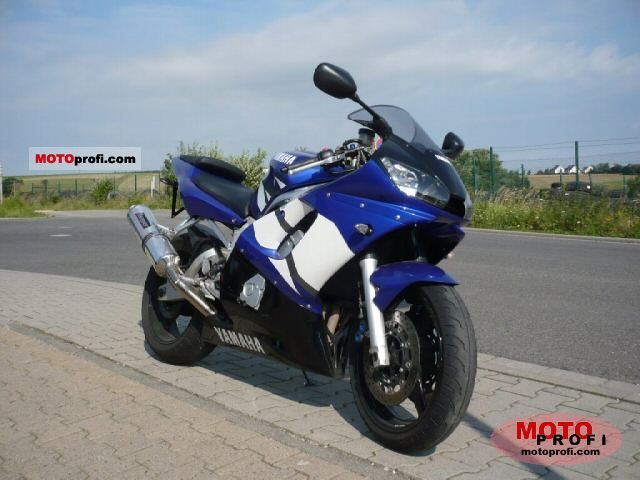
What exactly transforms an ordinary motorcycle into a captivating supersport marvel? Could it be the raw horsepower, the razor-sharp handling, or perhaps the intricate dance of advanced engineering nestled beneath its streamlined chassis? The 2002 Yamaha YZF-R6 stands as a testament to the meticulous synthesis of these elements, offering a compelling chimera of speed, agility, and precision. This comprehensive exploration dives deep into the specifications that define this iconic machine, revealing why it remains a benchmark in the supersport arena over two decades later.
The heart of any motorcycle is its engine, and the 2002 Yamaha R6’s powerplant is nothing short of a technological wonder. Powered by a liquid-cooled, 599 cc, inline four-cylinder, DOHC (Double Overhead Camshafts) configuration, this engine boasts a remarkable blend of high-revving capability and sheer energy density. The ingenious 4-valve per cylinder architecture, coupled with Yamaha’s innovative five-valve design philosophy carried from earlier models, delivers an exceptional airflow and combustion efficiency. This facilitates an impressive redline set at approximately 15,000 revolutions per minute, allowing riders to exploit the roaring zenith of performance with unwavering precision.
Delving deeper, one discovers that the engine’s lightweight construction extensively leverages aluminum components, ensuring minimal reciprocating mass and bolstering responsiveness. The bore and stroke dimensions, measuring about 67.0 mm by 42.5 mm respectively, underpin a short-stroke design that inherently favors rapid acceleration and high RPM prowess. These specifications coalesce to produce an estimated peak output of around 120 horsepower, a formidable figure in the 600 cc segment of its era.
Yet, power alone doesn’t guarantee supremacy on the asphalt. The 2002 R6 challenges riders to harness its performance through an intricate chassis and suspension setup that elevates handling to an art form. The frame is a Deltabox-style aluminum perimeter design, a hallmark of Yamaha’s engineering ethos. This configuration ensures a harmonious balance between torsional rigidity and lightweight construction, facilitating razor-sharp cornering without sacrificing stability at high speeds.
The suspension system further complements this framework with its sophisticated components. Up front, an inverted telescopic fork stands at approximately 41 mm in diameter, adjustable for preload, compression, and rebound damping. These adjustability options allow riders to tailor the suspension to their riding style or the demands of the track. At the rear, a single shock absorber equipped with Yamaha’s proprietary linkage system provides progressive damping behavior, blending comfort with aggressive feedback. This synergy between frame and suspension creates a riding experience that is both thrilling and precise, making the 2002 R6 a favorite among enthusiasts who crave dynamic engagement.
When it comes to braking, the 2002 Yamaha R6 refuses to be outpaced. Twin 298 mm hydraulic disc brakes dominate the front, each paired with a four-piston caliper that delivers formidable stopping power and excellent modulation. At the rear, a single disc brake ensures balanced deceleration. While the era predates advanced electronic aids like ABS and traction control, the mechanical setup underscores Yamaha’s intent to provide riders a pure, unfiltered connection with the machine, demanding skill and respect.
Beyond the mechanical prowess, the aesthetics and ergonomics of the 2002 R6 embody the spirit of supersport design. The aggressive yet streamlined fairings, crafted through careful wind tunnel testing, optimize aerodynamic efficiency, reducing drag and enhancing stability at high speeds. The rider’s position is deliberately compact and forward-leaning, placing weight over the front wheel to maximize control during cornering. This posture, though demanding, immerses the rider into the experience, inviting an intricate dialogue between human and machine.
Technology integration, although modest by today’s standards, was cutting-edge at the time. The analog tachometer features a prominent redline indicator, complemented by a digital speedometer and a suite of warning lights. The transmission is a close-ratio 6-speed manual, equipped with a multi-plate wet clutch that ensures crisp, instantaneous gear changes, crucial for exploiting the engine’s broad powerband. Furthermore, the chain-driven final drive maintains mechanical efficiency while allowing for easy customization and maintenance.
One cannot overlook the 2002 Yamaha R6’s weight dynamics. With a dry weight hovering around 370 pounds (approximately 168 kg), it boasts an enviable power-to-weight ratio, underscoring the philosophy of achieving speed through lightness and engineering excellence. This low curb weight magnifies the bike’s agility, enabling rapid changes in direction and quick recovery from lean angles, critical for both track performance and spirited street riding.
Fuel capacity stands at roughly 17 liters, striking a balance between range and weight. While supersport machines often prioritize performance over longevity, the R6’s tank size provides a pragmatic compromise for riders who engage in aggressive riding without frequently needing to refuel during outings.
Considering all these extraordinary attributes, one might wonder: does the 2002 Yamaha R6 remain a relevant contender in the modern supersport landscape, or is it simply a relic cherished by nostalgic aficionados? The answer lies in understanding the timeless appeal of its engineering philosophy. While contemporary models may boast electronic aids like traction control, ride modes, and ABS, the raw, visceral connection offered by the 2002 R6 continues to captivate purists who seek uncompromised mechanical feedback.
The 2002 Yamaha R6 also embodies a pivotal moment in motorcycle evolution—an era where riders were encouraged to hone their skills to fully unlock the bike’s potential rather than rely on electronic crutches. This aspect elevates the R6 from merely a machine to a maestro’s instrument, rewarding precision, commitment, and finesse.
In retrospect, the 2002 Yamaha YZF-R6 is more than a specification sheet or a collection of components; it is a symphony of performance, design, and engineering ingenuity. It challenges the rider with its ferocious character and demands respect through its precise handling and responsive power delivery. For those who appreciate the art of motorcycling, understanding the nuances behind this supersport juggernaut offers not only insight but a profound appreciation for a machine that continues to influence and inspire two-wheeled performance.