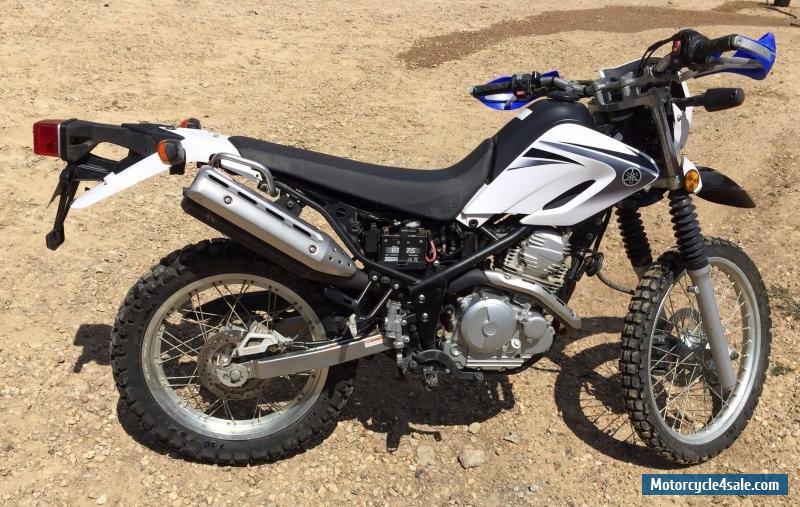
When enthusiasts gather to debate the ideal trail bike, two stalwarts consistently rise to prominence: the 2008 Yamaha TTR230 and the 2008 Yamaha XT250. Despite their seeming similarity in displacement and off-road intent, these motorcycles elicit diverse reactions that reveal much about the nuances of trail riding and the rider’s priorities. The fascination with these two models transcends mere specifications. It delves into a deeper admiration for Yamaha’s ability to cater to varied terrains, skill levels, and rider temperaments—all while maintaining an approachable, reliable platform.
The 2008 Yamaha TTR230 is often celebrated as an eminently capable beginner-to-intermediate dual-sport motorcycle. Its modest 223cc air-cooled, single-cylinder engine produces a smooth, manageable power curve, ideal for riders navigating tight trails or honing their dirt riding skills. This machine’s lightweight and nimbleness transform technical sections of a trail into opportunities for fun rather than frustration. The TTR230’s simplicity is its virtue: it pairs uncomplicated mechanics with sufficient grunt to tackle moderate inclines and spirited trail riding without overwhelming the rider.
Adding to the TTR230’s allure is its chassis geometry, designed with a focus on steadiness and predictability. The suspension, while not overly plush, provides a commendable balance between trail performance and everyday usability. The bike’s ergonomics favor an upright, natural position, allowing for superb control on challenging terrain. Riders frequently remark on the bike’s forgiving nature—its ability to absorb rider errors and instill confidence in less experienced trail aficionados. This trait is no trivial matter and often underlines the emotional attachment riders form with the TTR230 as their go-to companion for adventures.
In contrast, the 2008 Yamaha XT250 embraces a different ethos. Although closely matched in displacement with the TTR230, the XT250 presents itself as a more versatile and robust dual-sport contender, balancing off-road capability with coveted street-legal features. Its design philosophy embodies the classic trail bike ideal: nimble enough to thrive off the beaten path, yet competent and comfortable on paved roads. Powered by a 249cc air-cooled single-cylinder engine, the XT250 delivers a bit more torque and overall power, granting riders a whisper of extra authority when climbing steep inclines or cruising open stretches.
The XT250’s suspension system is tuned for greater compliance and resilience, ideal for variable terrains encountered on long trail rides. The larger front wheel compared to the TTR230 enhances stability and obstacle clearance, making it more adept at conquering natural obstacles such as rocks, roots, and rutted paths. Fully street legal right out of the box, the XT250 invites riders to blur the line between trail and town, opening avenues for adventure that span urban streets and remote backcountry trails alike.
These dual personalities—the beginner-friendly TTR230 versus the versatile XT250—reflect undercurrents influencing why riders gravitate toward one over the other. The TTR230 is a deliberate choice for those seeking a straightforward, no-frills dirt bike with a low entry barrier. It is both an instrument of learning and an enabler of progression. There exists a tacit promise within the TTR230’s frame: this is a bike that will not intimidate, that will reward patience, and that will endure the inevitable bumps of off-road evolution.
The XT250, on the other hand, resonates with riders who desire a trail bike possessing greater adaptability. It is a machine for those who may not want to be confined solely to narrow tracks and dirt paths but need a dependable partner for commuting or weekend excursions that demand comfort, reliability, and power. Its more complex features and street-oriented components do not diminish its off-road competence but rather broaden the scope of its utility. Herein lies the deeper fascination: the XT250 embodies a motorcycle philosophy that embraces the melding of trail agility with everyday practicality.
Comparing the two bikes in terms of maintenance and longevity further elucidates their appeal. The TTR230’s simpler air-cooled engine and minimalistic design translate to easier mechanical upkeep. For riders who cherish hands-on involvement with their machines, this can mean a gratifying, almost intimate relationship with their bike. Meanwhile, the XT250’s more sophisticated configuration demands a bit more attention but rewards it with enhanced performance and multi-environment capability. Both share Yamaha’s renowned reliability, fostering the trust that can dissipate doubts when tackling remote or arduous trails.
Delving into the cultural and psychological dimensions, the ongoing popularity of these two models reveals something significant about the trail biking community. There’s a fundamental allure in mastering smaller-displacement motorcycles on challenging terrain. The TTR230 epitomizes this intimate, skill-based engagement, requiring riders to finesse their technique and develop a nuanced understanding of machine dynamics. There’s an intrinsic satisfaction embedded in this learning curve—a testament to the human-machine synergy that trail riding so eloquently exemplifies.
Alternatively, the XT250’s appeal lies in its embodiment of versatility and independence. It tells the story of a rider unbound by the conventional limitations of off-road-only motorcycles. It is ideal for the modern adventurer whose rides may start with leafy forest trails and end on the bustling streets of a small town. This cross-functional capability grants a sense of freedom, often described as an extension of one’s own capability to explore and connect with diverse environments.
Ultimately, choosing between the 2008 Yamaha TTR230 and the 2008 XT250 is less about identifying an absolute “best” trail bike and more about resonating with a riding philosophy. For those who relish simplicity, instruction, and pure trail proficiency, the TTR230 has an enduring appeal. For riders envisioning an all-encompassing machine bridging off-road thrills with on-road usability, the XT250 emerges as a compelling companion with broad horizons.
In the realm of trail motorcycles, these two Yamahas symbolize more than performance charts and component lists. They represent divergent yet complementary paths to trail riding fulfillment. The ongoing debate between them underscores the complex, richly textured nature of this sport—where machine characteristics intertwine with rider identity, environment, and aspiration. Whether one leans toward the focused purity of the TTR230 or the multifaceted promise of the XT250, each bike carries the enduring spirit of adventure that makes trail riding perpetually captivating and endlessly rewarding.