There’s something undeniably magnetic about an Orange County Choppers (OCC) custom motorcycle. It’s not just steel and chrome—it’s a rolling testament to rebellion, craftsmanship, and the unapologetic pursuit of freedom on two wheels. But here’s the twist: owning one doesn’t always mean shelling out six figures for a brand-new model. The real magic often lies in the used market, where history, soul, and a price tag that won’t break the bank converge. Buying a used OCC chopper isn’t just a transaction; it’s an initiation into a subculture where every scratch tells a story and every bolt holds a memory. If you’ve ever dreamed of cruising on a machine that turns heads and sparks conversations, this guide will arm you with the knowledge to make that dream a reality—without getting lost in the fine print.
The Allure of a Used OCC Chopper: More Than Just a Bike
Imagine pulling up to a diner on a Saturday morning, the scent of coffee mingling with the hum of idle engines. Heads turn. A hush falls over the parking lot. The reason? Your ride—a pre-owned Orange County Chopper, its lines sharp enough to cut through the noise of the ordinary. Used OCC bikes aren’t just motorcycles; they’re rolling heirlooms, each with a lineage that whispers of backroad adventures and late-night wrenching sessions in the garage. Unlike mass-produced machines, these bikes are born from a philosophy: form follows function, but passion dictates the details. When you buy used, you’re not just acquiring transportation—you’re inheriting a piece of American motorcycle lore, often at a fraction of the cost of a new model.
But here’s the catch: not all used OCC choppers are created equal. The market is a mosaic of hidden gems and overpriced relics, where the difference between a steal and a regret often hinges on a single inspection. The allure is real, but so are the pitfalls. The key lies in knowing what to look for—and what to walk away from.
Where to Find Your Dream OCC: Navigating the Market’s Labyrinth
The hunt for a used OCC chopper is less like shopping and more like treasure hunting. The spoils go to those who know where to dig. Start with the obvious: online marketplaces like Cycle Trader and eBay Motors, where sellers cast wide nets for buyers. These platforms are goldmines for listings, but they’re also where the wolves in sheep’s clothing lurk. Scrutinize every photo. Demand video walkthroughs. A seller who hesitates to provide one is a red flag waving in the wind.
Don’t overlook auctions, either. Mecum’s motorcycle auctions, for instance, often feature OCC bikes that have changed hands multiple times, each with a story etched into its frame. The thrill of bidding is intoxicating, but remember: auctions reward the prepared. Set a budget—and stick to it. The adrenaline of outbidding a rival can cloud judgment, leaving you with a bike that’s more headache than heartthrob.
For the truly discerning, private sellers and motorcycle clubs are untapped veins of opportunity. Word-of-mouth referrals and local bike nights can lead you to owners who prize their OCCs but are ready to pass the torch. These transactions often come with the added bonus of firsthand knowledge about the bike’s history—something no listing can replicate.
Decoding the OCC Legacy: What Makes a Chopper Truly Iconic
Not all choppers are OCC choppers. The distinction isn’t just in the branding—it’s in the DNA. Orange County Choppers didn’t just build bikes; they built a movement. Their creations are defined by a signature aesthetic: elongated front ends, aggressive rake angles, and a raw, unfiltered aesthetic that screams “built, not bought.” When evaluating a used OCC, look for these hallmarks. A true OCC chopper isn’t just a motorcycle; it’s a rolling sculpture, with every weld and curve a testament to the builder’s vision.
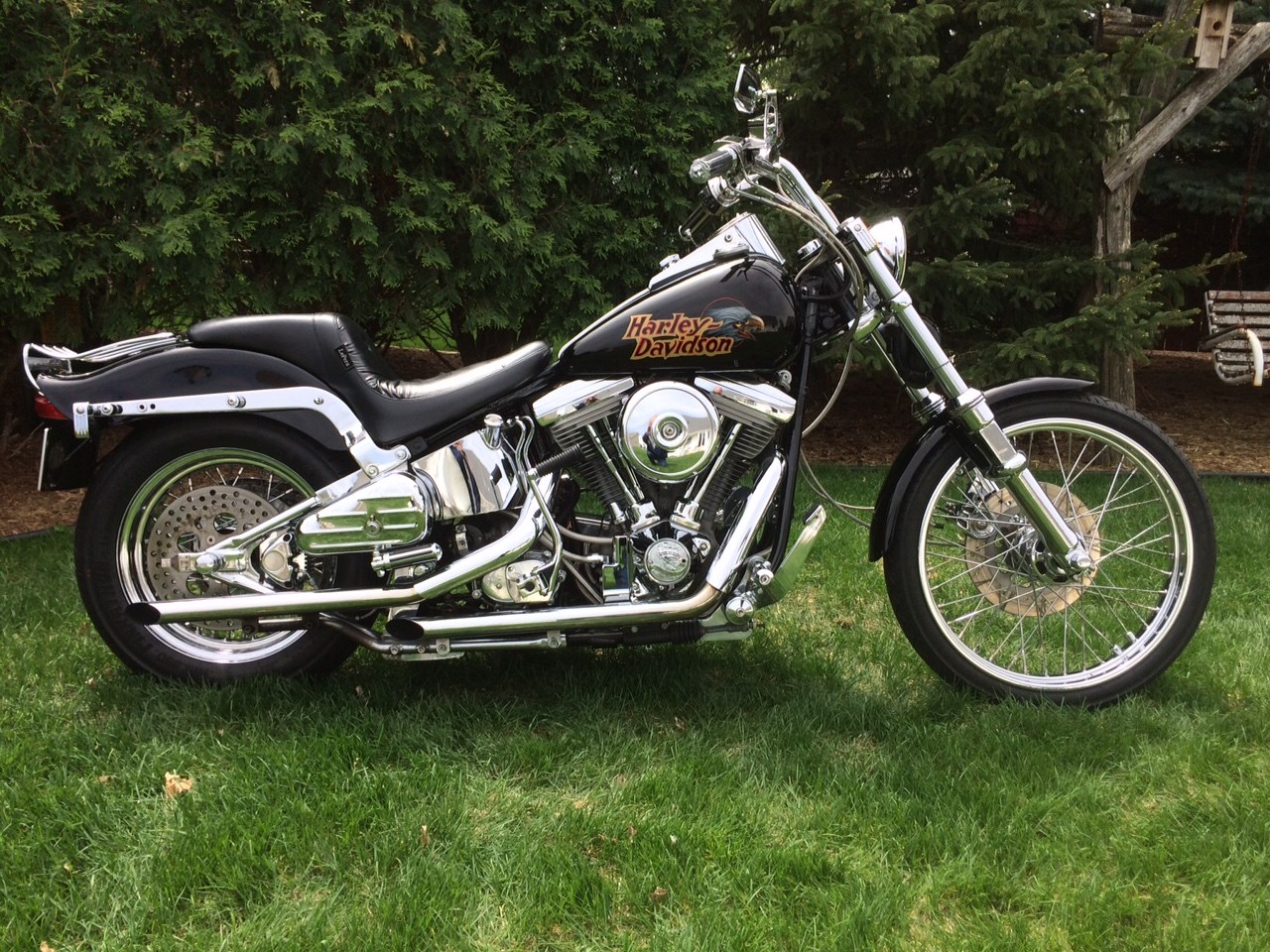
But aesthetics alone won’t keep you upright. The engine is the heart of the beast. OCC bikes often feature Harley-Davidson powertrains—Evolution or Twin Cam mills are common—but the real magic lies in the build quality. Listen for unusual noises. Check for oil leaks. A chopper that’s seen heavy use may have a heart that’s seen better days. Ask for service records. If the seller can’t produce them, assume the worst. A well-maintained OCC chopper should purr like a kitten, not growl like a junkyard dog.
The Paper Chase: Documents, Titles, and the Fine Print
Buying a used OCC chopper without the proper paperwork is like riding into a storm without a raincoat—you might survive, but you’ll regret it. The title is non-negotiable. Without it, you’re not buying a bike; you’re buying a potential legal nightmare. Verify the VIN matches the title and the bike itself. Cross-reference the VIN with the manufacturer’s records to ensure the bike hasn’t been stolen or salvaged. A clean title doesn’t just protect you; it honors the bike’s legacy.
Don’t forget about insurance. Some policies have strict clauses about modified bikes, and an OCC chopper—with its custom frame and non-stock components—might not fit neatly into a standard policy. Shop around for insurers who specialize in classic and custom motorcycles. The last thing you want is to ride off into the sunset only to find your coverage is as flimsy as a paper airplane.
Test Rides and Due Diligence: The Art of the Inspection
A test ride isn’t just a formality; it’s your first date with destiny. Before you even think about handing over cash, take the bike for a spin. Pay attention to how it handles. Does it pull to one side? Are the brakes spongy or overly firm? A chopper’s ride is a conversation between rider and machine, and if the bike isn’t listening, it’s not worth your time. Bring a mechanic if you’re not confident in your own skills. A $100 inspection could save you $10,000 in repairs down the road.
Inspect the frame for cracks, rust, or signs of previous accidents. Check the suspension—worn-out shocks or a sagging rear end can turn a joyride into a white-knuckle experience. Examine the tires. Are they bald? Do they have uneven wear? Tires are cheap to replace, but if the seller hasn’t bothered, what else have they neglected? And don’t overlook the little things: a loose bolt here, a frayed wire there. These aren’t minor inconveniences; they’re symptoms of a larger problem.
Negotiation Tactics: Turning “No” into “Yes” Without Losing Your Cool
Negotiating the price of a used OCC chopper is part chess match, part poker game. The seller’s asking price is rarely set in stone, but your approach must be strategic. Start by identifying flaws—real or perceived—and use them as leverage. Point out the need for new tires, a fresh paint job, or a rebuilt transmission. Frame your offer as a win for both parties: you’re saving them the hassle of selling, and they’re walking away with a fair deal. Cash talks, but confidence talks louder. If you’ve done your homework, you’ll know the bike’s true value—and you won’t be afraid to walk away if the numbers don’t add up.
Timing matters, too. End-of-the-month sellers may be more motivated to close a deal. Holidays can drive prices down as owners look to offload bikes quickly. Patience isn’t just a virtue; it’s a weapon. The right bike at the right price will come along—but it won’t wait forever.
Customization vs. Preservation: Striking the Right Balance
One of the joys of owning an OCC chopper is making it your own. But here’s the paradox: the more you modify a used OCC, the more you risk diluting its original character. A true OCC bike is a time capsule, a snapshot of a moment in motorcycle history. Before you swap out parts or slap on new decals, ask yourself: is this change enhancing the bike, or erasing its soul? Some purists argue that a used OCC should be preserved as-is, a rolling museum piece. Others see endless potential for personalization. The choice is yours, but tread carefully. A chopper is more than the sum of its parts—it’s a statement.
The Final Lap: Closing the Deal and Bringing Your OCC Home
You’ve found the bike. You’ve negotiated the price. You’ve verified the paperwork. Now comes the moment of truth: the handoff. Meet the seller in a public place if possible, and bring a friend. Inspect the bike one last time before payment changes hands. Once the cash is exchanged, get a signed bill of sale and a receipt. Transfer the title immediately. The thrill of ownership is intoxicating, but the legalities are the seatbelt that keeps you safe on the road ahead.
Now, the real work begins. Register your bike, insure it properly, and give it the care it deserves. An OCC chopper isn’t just a machine; it’s a legacy. Treat it with respect, and it will reward you with miles of open road and the kind of stories that make strangers lean in a little closer.