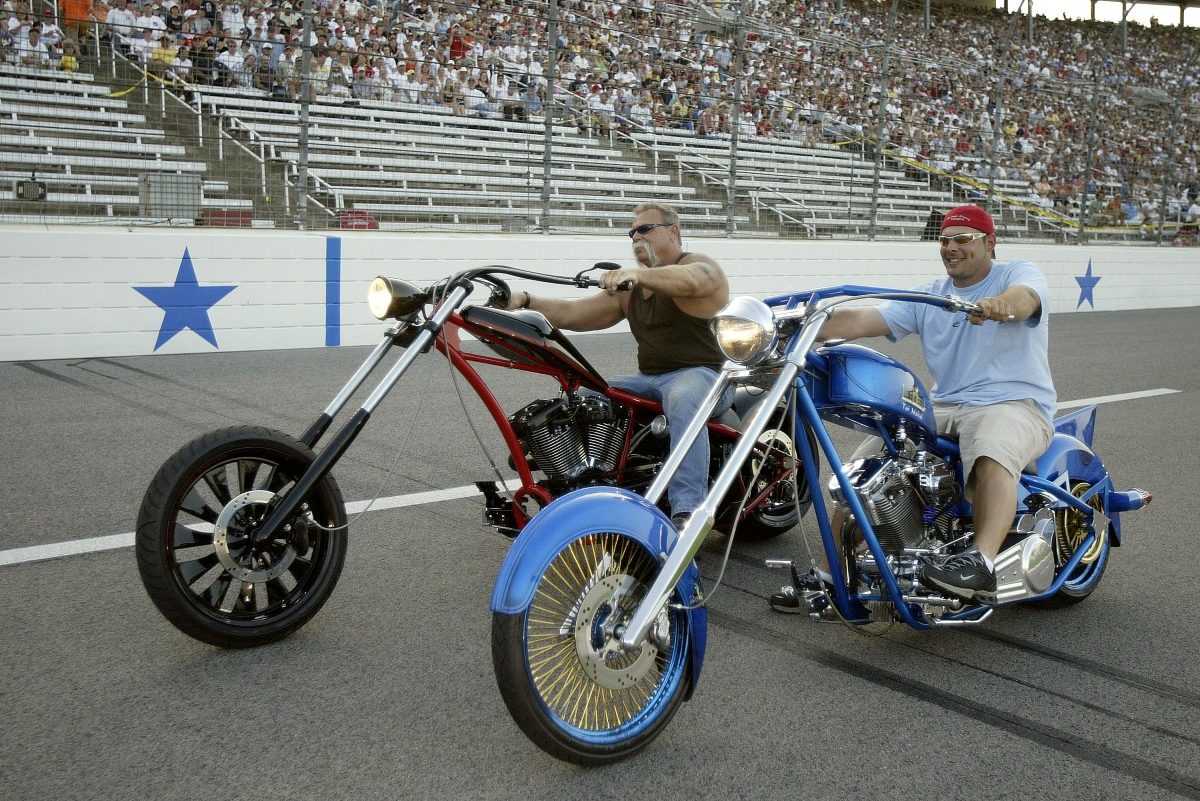
What happens when the torch of innovation is wrested from the hands that once forged it? When the apprentice outgrows the master, not just in skill, but in ambition? The legal battle between Paul Jr. Designs and Orange County Choppers isn’t just a clash of titans—it’s a modern-day saga of ambition, legacy, and the blurred lines between family and enterprise. This isn’t merely a dispute over trademarks or contracts; it’s a collision of two titanic personalities, each convinced their vision of the chopper universe is the one that should endure.
The Genesis of a Dynasty: How Two Names Became Synonymous with Two-Wheeled Artistry
In the late 1990s, the world met Orange County Choppers (OCC) through a television lens that transformed motorcycle fabrication into prime-time theater. At its helm stood Paul Teutul Sr., a man whose gruff demeanor and unrelenting work ethic became the backbone of a brand that redefined custom motorcycles. But behind every great man, as the adage goes, is an even greater force—his son, Paul Teutul Jr., whose mechanical genius and charisma catapulted the workshop into the stratosphere of pop culture.
For years, the duo was inseparable. Junior, with his precision engineering and rebellious flair, was the yin to Senior’s yang—a dynamic that fueled OCC’s meteoric rise. Their creations weren’t just bikes; they were rolling manifestos of rebellion, craftsmanship, and familial pride. But like all great partnerships, the cracks began to show when the spotlight grew too bright, and the ambitions too divergent.
The Breaking Point: When Vision Clashes with Legacy
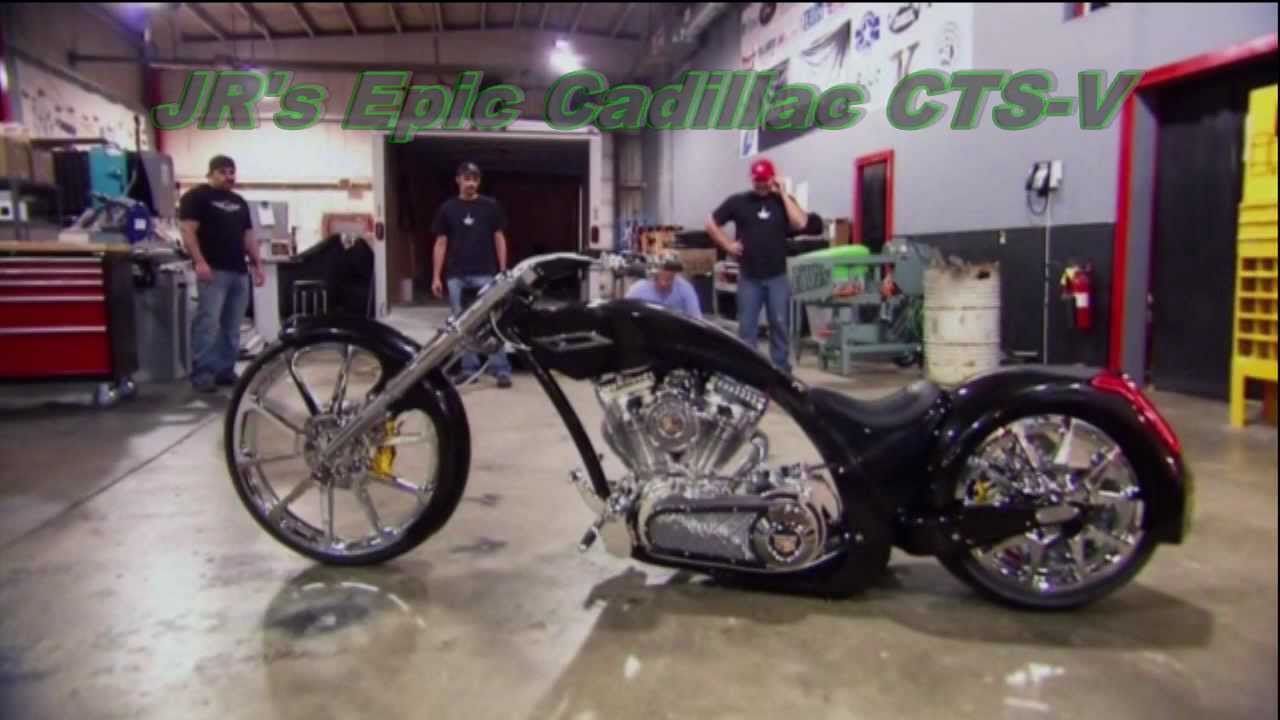
The first whispers of discord emerged when Junior’s creative autonomy began to overshadow Senior’s traditionalist approach. Junior’s designs—sleek, futuristic, and often edgier—clashed with Senior’s preference for classic, rugged aesthetics. The tension wasn’t just artistic; it was existential. Junior wanted to push boundaries. Senior wanted to preserve the soul of OCC. The rift wasn’t just philosophical—it was financial.
In 2006, Junior left OCC, taking with him not just his name but a piece of the brand’s identity. What followed was a decade of parallel success: Junior launched Paul Jr. Designs, a workshop that mirrored OCC’s ethos but with a sharper, more aggressive edge. Meanwhile, OCC continued under Senior’s leadership, though its cultural relevance waned without Junior’s magnetic presence. The question loomed: Could two empires built on the same foundation coexist—or would one inevitably cannibalize the other?
The Lawsuit Unfolds: Trademarks, Trickery, and the Battle for Brand Supremacy
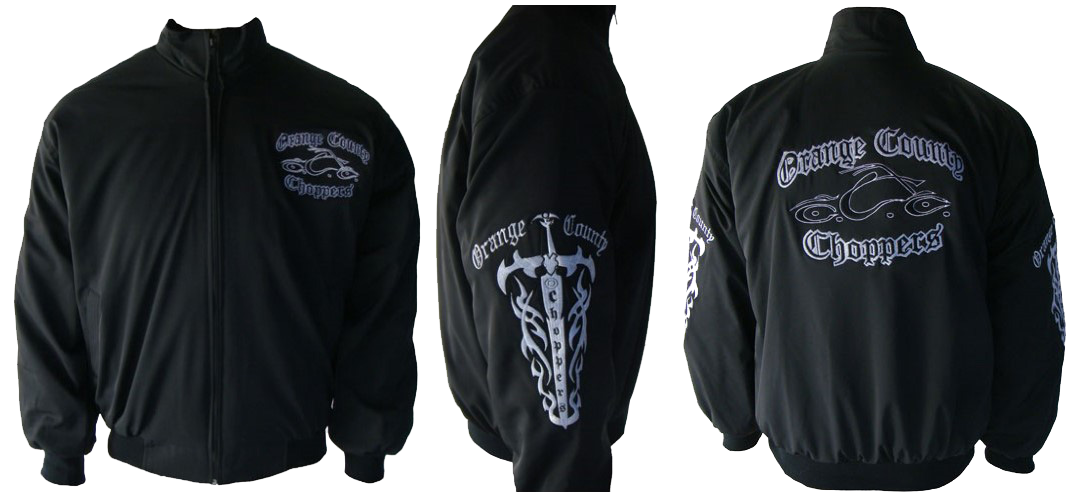
The legal skirmish ignited when Junior rebranded his company, adopting a logo and aesthetic so reminiscent of OCC that Senior saw red. The lawsuit, filed in 2020, wasn’t just about logos or taglines—it was about identity. Senior argued that Junior’s new branding exploited the goodwill of OCC, confusing consumers and diluting decades of brand equity. Junior countered that his designs were his own, a natural evolution of the craft he helped pioneer.
The crux of the dispute hinged on two key elements: trademark infringement and breach of contract. Senior claimed Junior violated non-compete clauses by leveraging OCC’s trade dress—the distinctive orange hues, the cursive script, even the skeletal motifs that defined the brand. Junior, however, contended that these elements were never formally trademarked by OCC, leaving him free to reinterpret them. The legal battle became a Rorschach test: Was Junior’s work a homage or a hijacking?

The Cultural Divide: Fans, Factions, and the Court of Public Opinion
While the courts deliberated, the public took sides. OCC loyalists saw Junior’s departure as a betrayal, a son abandoning his father’s legacy for personal glory. Junior’s supporters, however, viewed him as a visionary stifled by an outdated regime. The divide wasn’t just generational—it was tribal. Social media erupted with memes, fan art, and heated debates: “Who really built OCC?” became the rallying cry of both camps.
The lawsuit exposed a raw truth about fandom: loyalty isn’t earned; it’s demanded. OCC’s fanbase, once a monolith, splintered into factions. Some swore allegiance to Senior, others to Junior. The irony? Both men had shaped the brand’s DNA, yet neither could claim sole ownership of its soul. The lawsuit wasn’t just a legal battle—it was a referendum on who gets to define the future of a cultural phenomenon.
The Legal Labyrinth: What’s at Stake Beyond the Courtroom
Beyond the trademarks and contracts, the lawsuit raises existential questions about intellectual property in the age of personal branding. Can a craftsman’s style be copyrighted? If a son inherits his father’s skills, does he also inherit his limitations? The case forces us to confront the murky ethics of creative succession: When does homage become exploitation? When does innovation become theft?
The stakes are high. If Senior wins, Junior’s career could be hamstrung, his brand neutered before it fully blooms. If Junior prevails, OCC risks losing its identity, reduced to a relic of a bygone era. The lawsuit isn’t just about money—it’s about legacy. Who gets to decide what Orange County Choppers stands for in the 21st century? The father who built it, or the son who redefined it?
The Human Element: A Family Torn by Ambition and Pride
Behind the legal jargon and courtroom theatrics lies a story far more poignant: that of a family sundered by ambition. Senior and Junior’s relationship, once the bedrock of OCC’s success, is now a casualty of their competing visions. The lawsuit isn’t just a business dispute—it’s a tragedy of Shakespearean proportions. Two men who once built empires together now find themselves locked in a struggle that transcends money and trademarks. It’s a battle for respect, for recognition, for the right to say, “I am the legacy.”
Can this rift ever be mended? History offers few examples of such feuds ending in reconciliation. Yet, the motorcycle world—built on speed, precision, and raw power—is no stranger to second chances. Perhaps the answer lies not in the courtroom, but in the open road, where two titans could, one day, ride side by side once more.
What’s Next? The Road Ahead for Both Empires
As the lawsuit grinds through the legal system, both Paul Jr. Designs and Orange County Choppers face a crossroads. Junior’s brand is ascendant, but its future hinges on the outcome of this battle. Senior’s empire, once unassailable, now teeters on the edge of irrelevance without its former star. The question isn’t just who will win—it’s who will survive.
The motorcycle industry, after all, is a Darwinian landscape. Only the fittest brands endure. But fitness isn’t just about engineering or aesthetics—it’s about narrative. OCC’s story was once a tale of father-son synergy; now, it’s a cautionary tale of division. Junior’s story, meanwhile, is still being written—a saga of rebellion and reinvention. The lawsuit may decide the legal victor, but the true battle is for the hearts of riders, the loyalty of fans, and the soul of an industry.