The roar of engines splits the air, a symphony of raw power and mechanical artistry. Two names dominate the chopper universe like titans locked in eternal combat: Orange County Choppers (OCC) and West Coast Choppers. Their rivalry isn’t just about steel and chrome—it’s a clash of philosophies, of coasts, of dreams forged in fire and rebellion. To the uninitiated, it might seem like a simple competition between two custom bike builders. But beneath the gleaming exhaust pipes and polished tanks lies a deeper narrative—one of ambition, identity, and the relentless pursuit of craftsmanship that defines American ingenuity.
The Genesis of Two Empires: How It All Began
The story of OCC and West Coast Choppers begins not in boardrooms or marketing meetings, but in the garages where passion first sparked. Orange County Choppers emerged from the hands of Paul Teutul Sr. and his son Paul Teutul Jr., their workshop in New York becoming a crucible of innovation. Meanwhile, on the sun-drenched streets of California, Jesse James—charismatic, rebellious, and unapologetically bold—was forging West Coast Choppers into a brand that mirrored the untamed spirit of the West. These weren’t just businesses; they were movements, each rooted in the cultural DNA of their respective regions. One thrived in the structured hustle of the East, the other in the free-spirited grit of the West. The rivalry was inevitable, a clash of ideologies as much as aesthetics.
The Aesthetic Divide: East Coast Precision vs. West Coast Rebellion
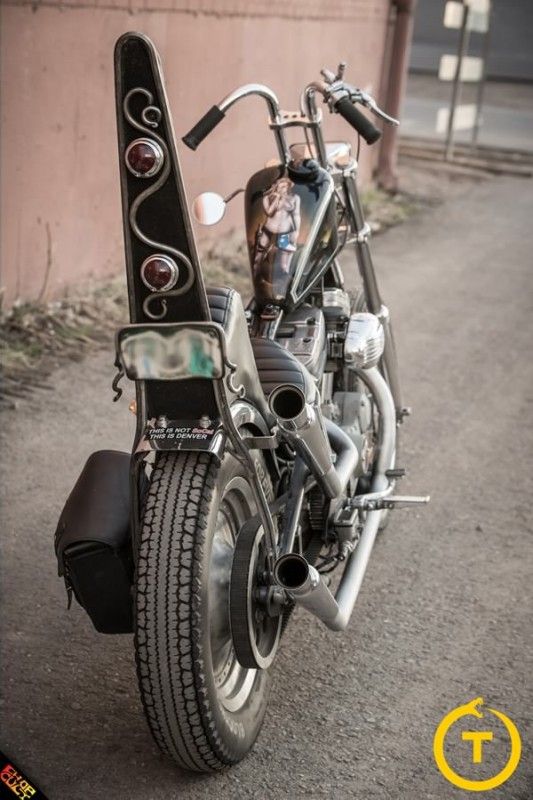
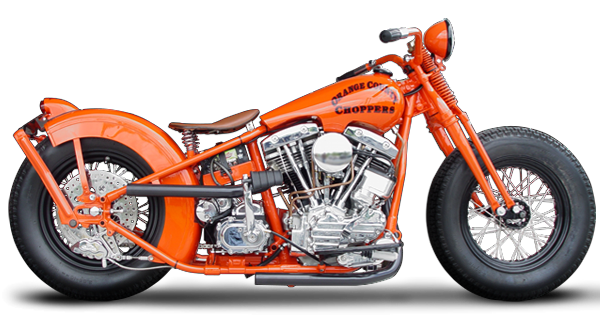
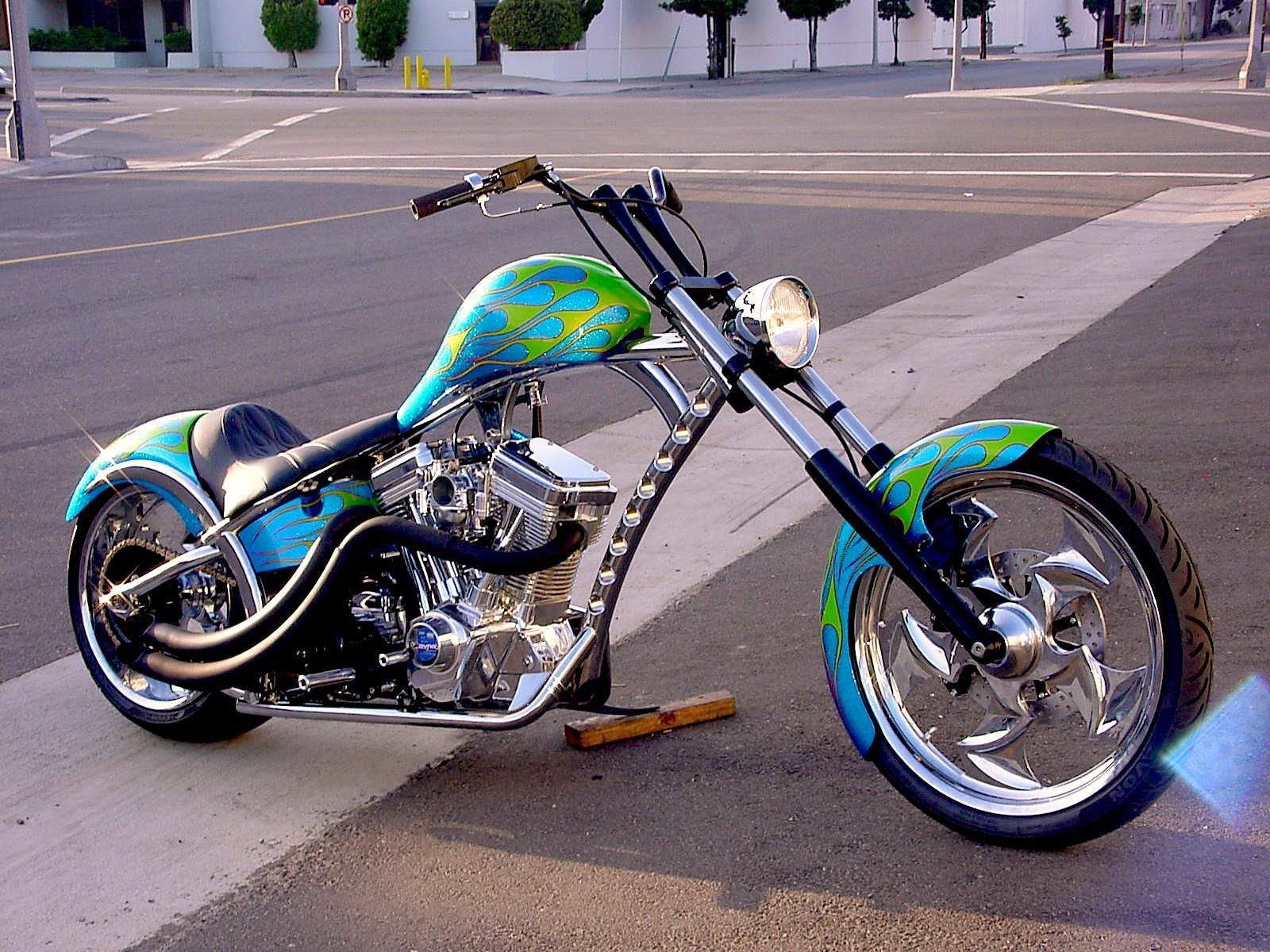
Look closely at an OCC chopper, and you’ll see geometry in motion. Clean lines, meticulous welds, and a sense of order that reflects the disciplined mindset of its creators. These bikes are engineered like Swiss watches, each component serving a purpose, every curve a testament to precision. West Coast Choppers, in contrast, exudes a raw, almost primal energy. The designs are bold, the finishes daring—think exposed welds, aggressive angles, and a visual language that screams defiance. It’s not just about building a bike; it’s about crafting a statement. One school teaches restraint; the other, unbridled expression. This aesthetic schism isn’t arbitrary—it mirrors the broader cultural divide between the coasts, where tradition meets innovation in a perpetual dance.
The Personalities Behind the Brands: Paul vs. Jesse
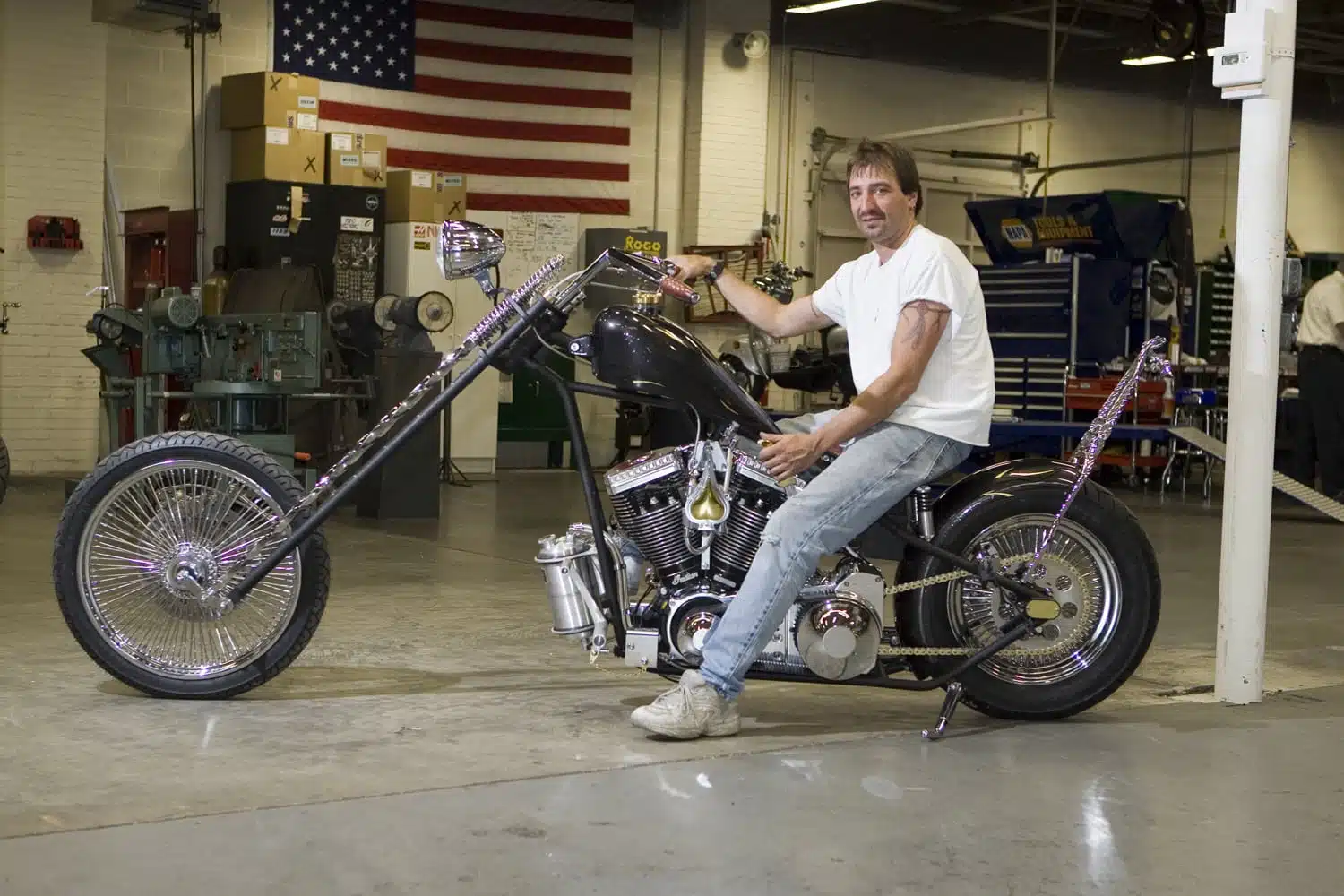
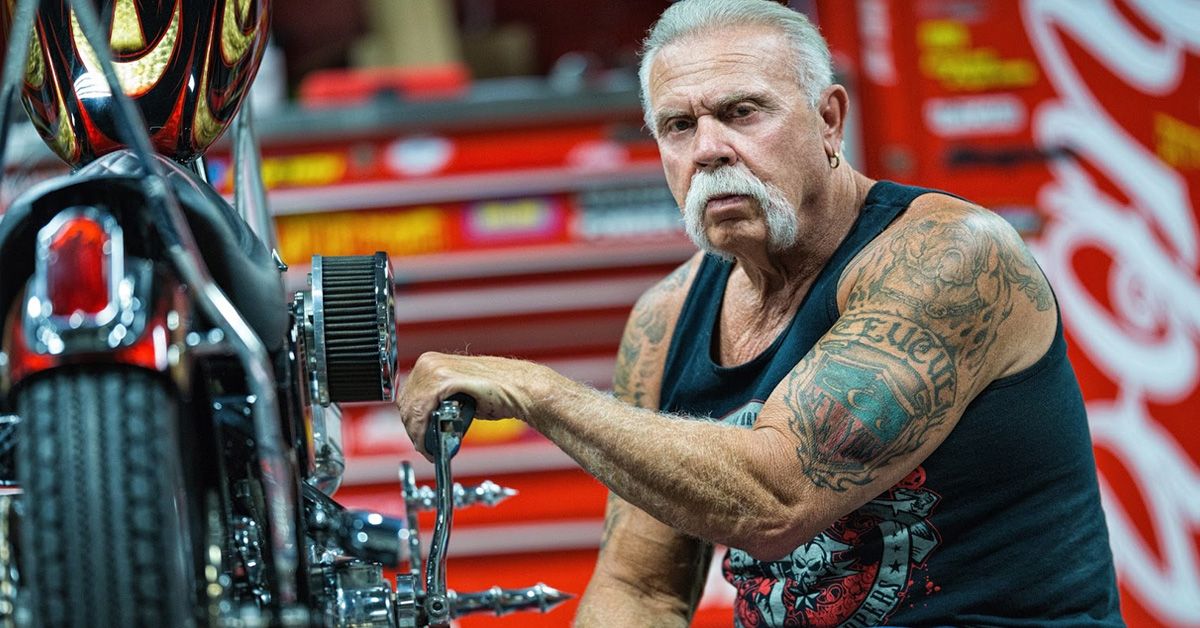
No rivalry is complete without its protagonists, and OCC vs. West Coast Choppers has two of the most compelling figures in the custom bike world. Paul Teutul Sr., with his gruff demeanor and no-nonsense approach, embodies the archetype of the hardworking tradesman. His son, Paul Jr., brought a modern flair, blending tradition with contemporary trends. Then there’s Jesse James—a man whose very name evokes the outlaw spirit of the Wild West. His charisma, his tattoos, his unfiltered opinions—all of it became part of the West Coast Choppers mythos. These weren’t just builders; they were personalities, their public personas shaping the brands as much as their craftsmanship. The tension between them wasn’t just professional; it was personal, a clash of egos and visions that fueled the fire of competition.
The Media Frenzy: How TV Turned Rivalry Into Spectacle
The world didn’t just watch the OCC vs. West Coast Choppers rivalry—it consumed it. Television transformed these garage builders into household names. *American Chopper*, the reality show that chronicled OCC’s daily grind, turned Paul Sr. and Paul Jr.’s dynamic into must-see TV. Meanwhile, Jesse James and West Coast Choppers became synonymous with high-octane drama, their projects broadcasted like sporting events. The media didn’t just cover the rivalry; it amplified it, turning every disagreement, every triumph, and every setback into public theater. This wasn’t just about bikes anymore—it was about entertainment, about larger-than-life characters in a high-stakes game of one-upmanship. The cameras didn’t just document the craft; they immortalized the feud.
The Business of Passion: When Craft Meets Commerce
Behind the gleaming chrome and the dramatic headlines, there was a business to run. OCC and West Coast Choppers weren’t just about building bikes; they were about building empires. Licensing deals, merchandise lines, and global expansions turned custom motorcycles into commercial juggernauts. But this commercialization came at a cost. The purity of the craft was sometimes overshadowed by the demands of the market. Fans who once revered these builders for their artistry now scrutinized their every move, questioning whether the soul of the chopper had been diluted by corporate interests. The rivalry, once a testament to individuality, now had to navigate the murky waters of mass appeal. Could the essence of OCC and West Coast Choppers survive the transition from garage to global brand?
The Cultural Impact: More Than Just Bikes
To reduce OCC and West Coast Choppers to mere bike builders would be a disservice to their legacy. These brands became cultural touchstones, symbols of a generation that valued individuality above all else. The choppers they created weren’t just machines; they were canvases for self-expression, each one a reflection of its builder’s soul. The rivalry itself became a metaphor—a clash of ideals, a battle between order and chaos, tradition and innovation. It resonated with audiences because it mirrored the internal conflicts we all face: the struggle between discipline and freedom, between fitting in and standing out. In a world that often feels homogenized, the OCC vs. West Coast Choppers saga reminded us that passion, when unleashed, can carve its own path.
The Legacy: What Remains When the Dust Settles
Today, the roar of the engines has quieted, but the legacy of OCC and West Coast Choppers endures. The bikes they built are now collector’s items, each one a piece of history. The shows that chronicled their rise have faded into nostalgia, but the stories remain. What’s left isn’t just a rivalry—it’s a testament to the power of passion. It’s a reminder that true craftsmanship isn’t just about skill; it’s about vision, about the courage to defy convention. The OCC vs. West Coast Choppers saga may be over, but its spirit lives on in every custom bike that hits the road, in every builder who dares to dream in steel and chrome. The ultimate rivalry wasn’t just about who built the better chopper—it was about who dared to define the soul of an era.