In the pantheon of television history, few figures loom as large—or as loud—as the master builders who transform raw metal into rolling artistry. Among them, one name doesn’t just echo through the garage; it reverberates across the cultural landscape, igniting debates, sparking dreams, and redefining what it means to build not just a motorcycle, but a legend. This isn’t just about horsepower or craftsmanship. It’s about legacy. It’s about the man who turned a family business into a national obsession, who turned welding torches into storytelling tools, and who, against all odds, made the art of custom chopper construction a primetime spectacle. This is the story of Paul Teutul Sr.—the greatest TV chopper builder of all time.
The Birth of a Garage Empire: How a Family Dream Became a Cultural Phenomenon
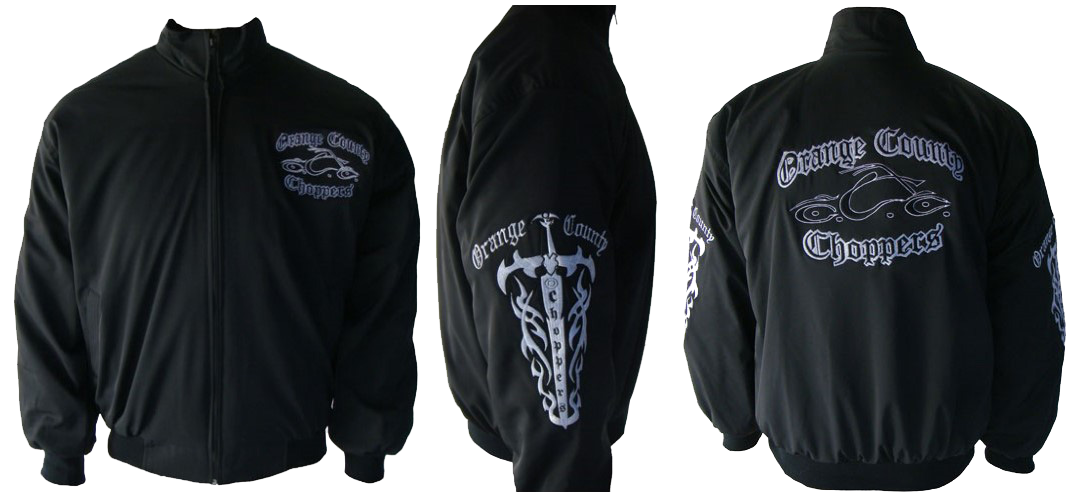
It began in a modest garage in Rockland County, New York, where the scent of gasoline and ambition hung thick in the air. In 1974, Paul Teutul Sr. founded Orange County Choppers (OCC), not with the intention of becoming a household name, but with the simple desire to build bikes that reflected his passion for speed, freedom, and unfiltered creativity. What he couldn’t have foreseen was that three decades later, his workshop would become the stage for a television revolution—one that would catapult him from obscurity to iconic status.
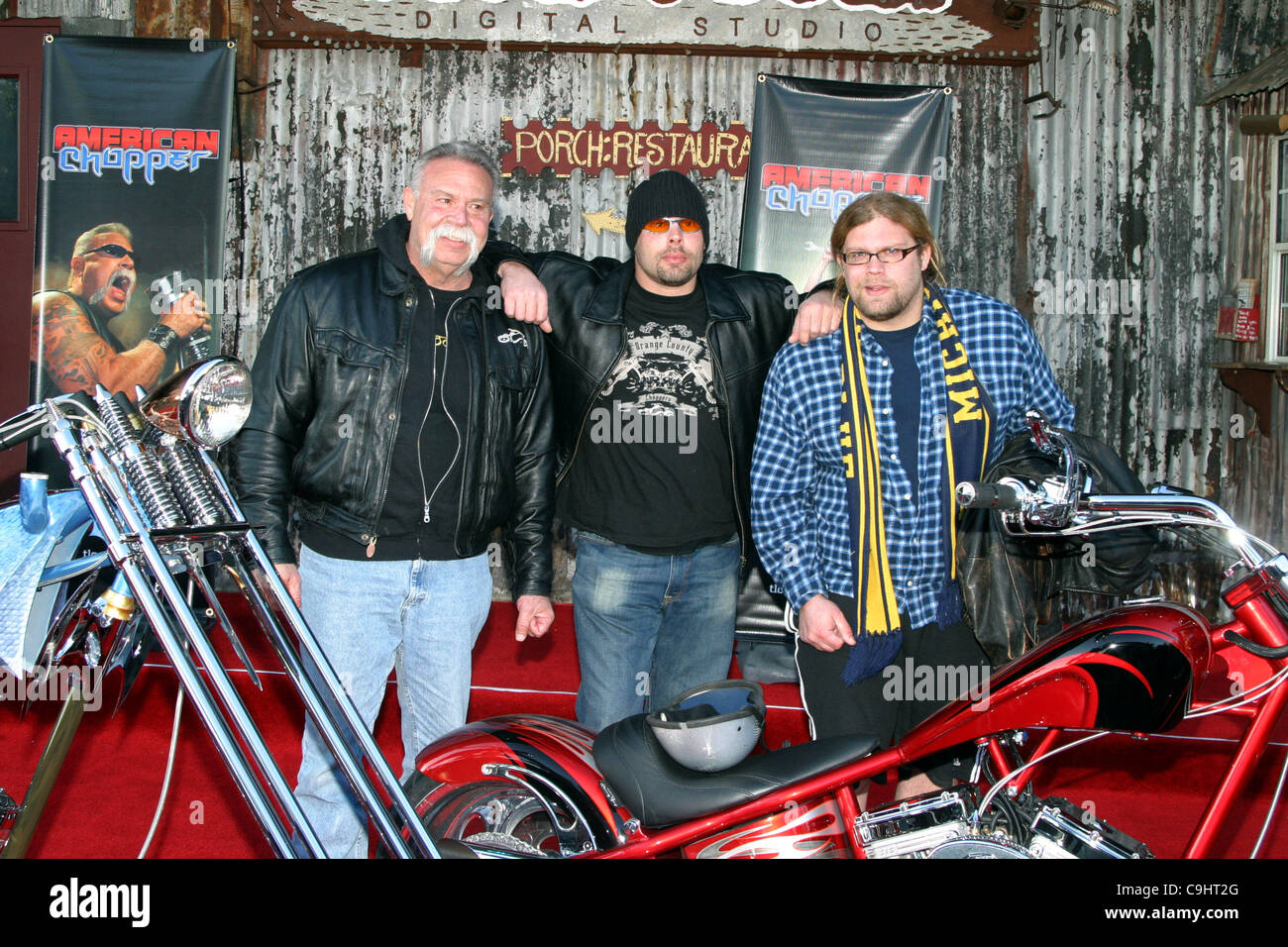
The late 1990s and early 2000s were a golden age for reality TV, but nothing prepared audiences for the raw, unfiltered drama of American Chopper. Premiering in 2003, the show didn’t just document the building process; it dramatized it. Every weld, every argument, every triumphant moment was magnified under the glare of studio lights. And at the center of it all stood Paul Sr.—a gruff, no-nonsense patriarch with a heart of gold and a vocabulary that could make a sailor blush. He wasn’t just building motorcycles. He was building a mythos.
What set OCC apart wasn’t just the quality of the bikes—though they were undeniably masterpieces—but the emotional resonance of the process. Viewers didn’t just watch bikes being built; they watched a family grapple with ambition, ego, and love. And Paul Sr. was the gravitational center of it all, a man whose hands were as skilled as his tongue was sharp.
The Teutul Blueprint: Why OCC’s Designs Transcend the Garage
To understand Paul Teutul Sr.’s greatness, you must first understand his design philosophy. It wasn’t about following trends. It wasn’t about mass production. It was about storytelling. Every chopper that rolled out of OCC wasn’t just a machine—it was a narrative in steel and chrome, a three-dimensional ode to American ingenuity and rebellion.
Consider the “Teutul Tank,” a monstrous, tank-inspired chopper that became an instant icon. Or the “Fire Bike,” a flaming beast built for charity, its frame twisting like a dragon in flight. These weren’t just bikes. They were statements. They were challenges to convention. And they all bore the unmistakable signature of Paul Sr.’s vision: bold, unapologetic, and deeply personal.
His designs often featured exaggerated frames, intricate metalwork, and a signature orange hue that became synonymous with OCC. But more than aesthetics, Paul Sr. understood the emotional power of a motorcycle. To him, a chopper wasn’t just a vehicle—it was a canvas for identity, a symbol of freedom, and a testament to perseverance. In an era where motorcycles were often reduced to stereotypes, Paul Sr. elevated them into art.
And let’s not forget the engineering. Under his leadership, OCC didn’t just push the boundaries of style—they redefined the boundaries of what a chopper could be. From hydraulic systems to custom engines, every component was a testament to his relentless pursuit of perfection. He didn’t just build bikes. He built legacies.
The Drama Behind the Torch: How Reality TV Made a Builder a Star
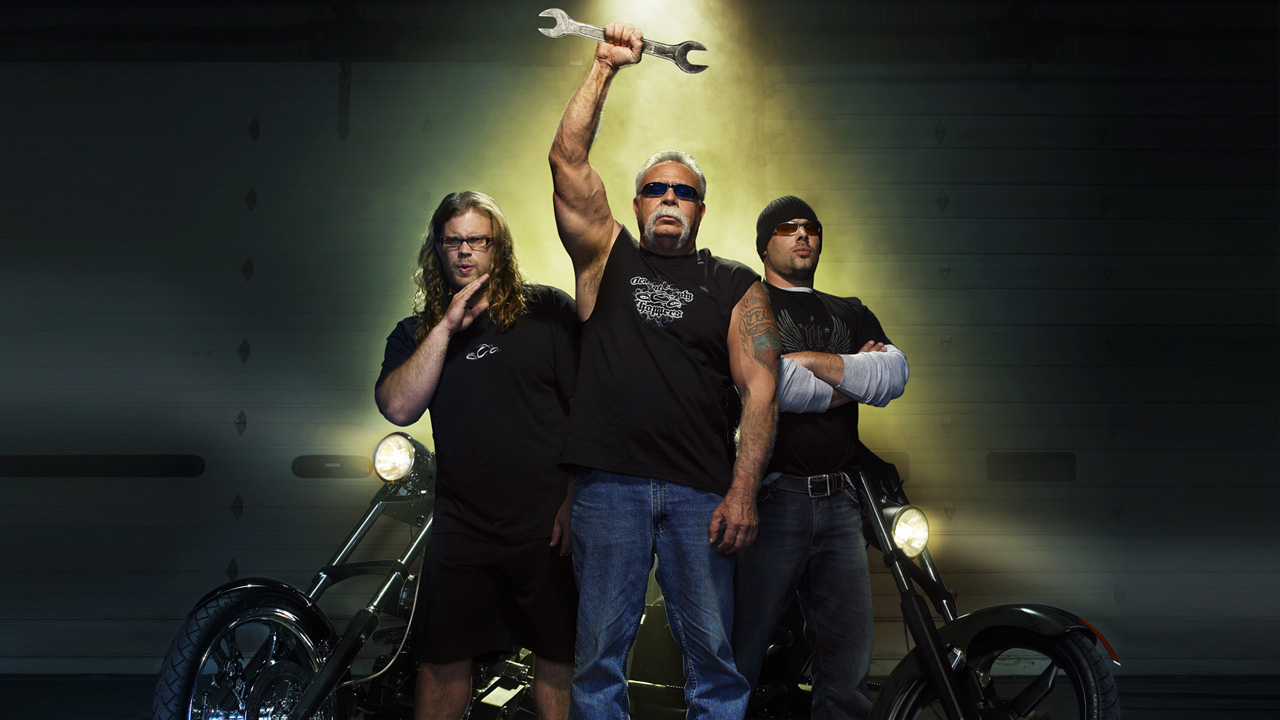
Television had never seen anything like American Chopper. The show wasn’t just a behind-the-scenes look at bike building—it was a family soap opera with wrenches. And at its heart was the volatile, charismatic, and deeply human Paul Teutul Sr.
His on-screen persona was a masterclass in contrast. One moment, he was the gruff taskmaster, barking orders and demanding excellence. The next, he was the sentimental father, choked up over a completed project or a milestone reached. He wasn’t playing a character. He was being himself—flaws, quirks, and all. And audiences couldn’t get enough.
But the show wasn’t without its controversies. The infamous feud between Paul Sr. and his son Paul Jr. became the stuff of legend, a real-life drama that mirrored the best (and worst) of family dynamics. Yet, even in conflict, Paul Sr. remained a figure of fascination. He wasn’t just a builder. He was a survivor. A man who had clawed his way from a small-town garage to international fame, all while navigating the minefield of family expectations and public scrutiny.
What made him truly great wasn’t his ability to build bikes—it was his ability to connect. He turned the workshop into a stage, and every episode became a chapter in a larger-than-life story. He made viewers care. Not just about the bikes, but about the people who built them. And in doing so, he redefined what it meant to be a television personality.

Beyond the Wrench: The Cultural Impact of a Chopper Visionary
Paul Teutul Sr.’s influence extends far beyond the walls of his workshop. He didn’t just build motorcycles—he built a cultural movement. OCC became more than a brand; it became a lifestyle. Fans didn’t just buy bikes or merchandise—they bought into the ethos of rebellion, craftsmanship, and unfiltered creativity that Paul Sr. embodied.
His impact can be seen in the proliferation of custom chopper shows, the rise of motorcycle tourism in Rockland County, and even the way we perceive motorcycles in popular culture. Before OCC, choppers were niche. After OCC, they were mainstream. Paul Sr. didn’t just ride the wave of change—he created it.
But perhaps his greatest legacy lies in the way he inspired a generation. To countless viewers, Paul Sr. wasn’t just a builder. He was a mentor, a role model, and a symbol of what it means to chase your dreams—no matter how wild they may seem. He taught us that greatness isn’t about perfection. It’s about passion. It’s about showing up, day after day, and putting your heart into every weld, every design, every moment.
He also taught us that family isn’t always easy. But it’s always worth it. And in a world that often feels fractured, that message resonates deeply.
The Verdict: Why Paul Teutul Sr. Stands Alone
So, who is the greatest TV chopper builder of all time? The answer isn’t just about skill. It’s about impact. It’s about the way one man turned a humble garage into a global phenomenon, the way he turned welding into an art form, and the way he turned a family into a legacy.
Paul Teutul Sr. didn’t just build bikes. He built dreams. He built stories. He built a world where metal and emotion collided in spectacular fashion. And he did it all under the glare of the spotlight, with a cigarette in one hand and a torch in the other.
In the end, greatness isn’t measured by trophies or accolades. It’s measured by the lives you touch, the dreams you ignite, and the legacies you leave behind. And by that measure, Paul Teutul Sr. isn’t just the greatest TV chopper builder of all time. He’s one of the greatest builders—period.
So the next time you see a chopper on the road, take a moment to appreciate the hands that shaped it. And remember the man who taught us all that sometimes, the greatest masterpieces aren’t just built—they’re forged in fire, sweat, and unshakable belief.