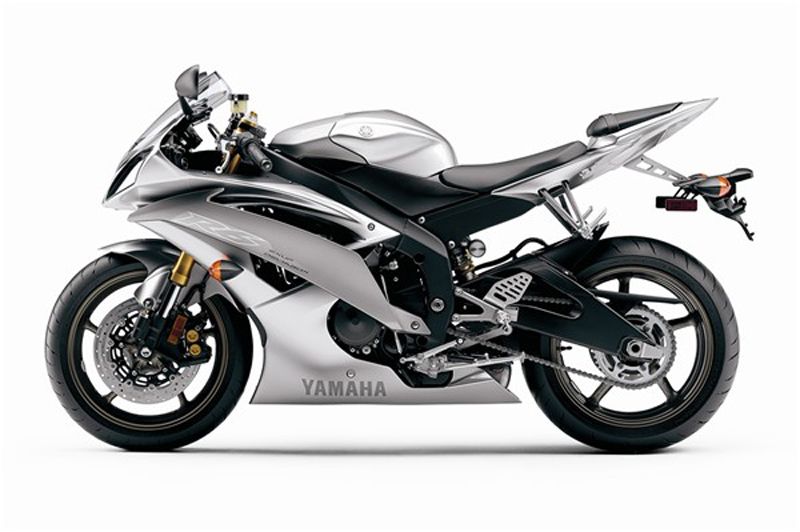
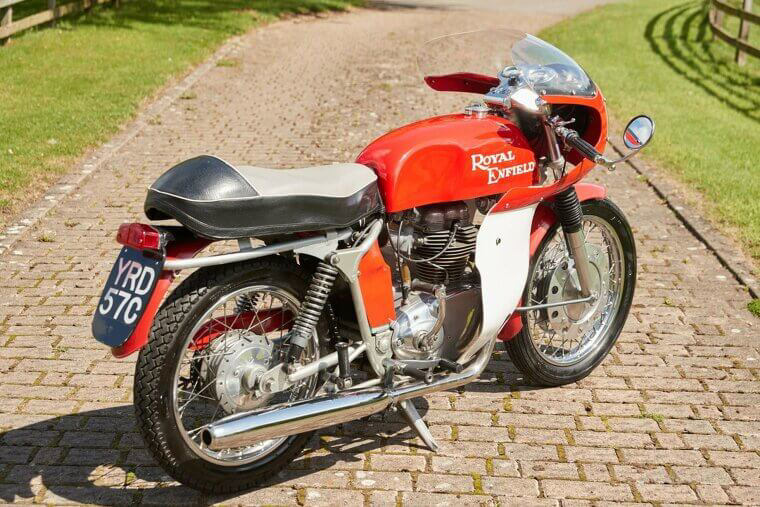
Riding a chopper without a front fender isn’t just about defiance—it’s about embracing a raw, unfiltered connection with the road. The absence of that bulky fender transforms the bike’s silhouette, turning heads and sparking conversations wherever you ride. But before you hit the throttle, there’s a labyrinth of legalities, safety considerations, and mechanical adjustments to navigate. This isn’t just a stylistic choice; it’s a statement. And like all statements, it demands precision, responsibility, and a deep understanding of the rules that govern the open road.
The Legal Landscape: Where Style Meets Statute
Every state in the U.S. has its own interpretation of what constitutes a roadworthy motorcycle. Some are lenient, others draconian. The front fender isn’t just an aesthetic afterthought—it’s often a mandated safety feature designed to deflect debris and protect the rider. Removing it without due consideration can land you in a world of legal trouble, from fines to mandatory reinstatement. Before you even think about wrenching off that fender, consult your local Department of Motor Vehicles (DMV) regulations. Some states require a “street-legal” inspection, while others demand photographic evidence of compliance. Ignorance isn’t bliss when it comes to the law—it’s a one-way ticket to impoundment.
But here’s the twist: some jurisdictions allow for “custom builds” with exemptions, provided you meet specific criteria. For instance, a chopper with a rigid frame and no rear suspension might qualify as a “historic” or “antique” vehicle, bypassing modern fender requirements. Others permit fenderless rides if the bike meets noise and emissions standards. The key is documentation. Keep your build’s blueprints, photographs, and any correspondence with authorities on file. Should an officer question your setup, you’ll need to prove that your chopper isn’t just a rolling art piece—it’s a legally sanctioned machine.

Safety First: The Unseen Risks of a Fenderless Ride
Imagine cruising down a rain-slicked highway, the wind howling in your ears, when suddenly a rogue pebble ricochets off the asphalt and smacks your face. Without a front fender, that pebble becomes a projectile. The risks extend beyond mere discomfort. Debris can shatter your visor, scratch your goggles, or worse—impair your vision at a critical moment. Then there’s the matter of tire spray. A chopper’s front tire flings water, mud, and grime directly into your path, coating your windscreen in a murky film that distorts your view of the road ahead.
But the dangers aren’t just physical. Legally, riding without a fender can void your insurance policy. Most insurers classify a chopper as a “custom motorcycle,” and any deviation from the manufacturer’s original design—including fender removal—can be grounds for denial of coverage in the event of an accident. Before you take the plunge, review your policy’s fine print. If it’s silent on the matter, consult your agent. Better to pay a premium for a specialized rider than to face financial ruin after a single misjudged turn.
Mechanical Tweaks: Reinventing Your Chopper’s Geometry
A chopper stripped of its front fender isn’t just missing a piece of metal—it’s missing a structural component that influences the bike’s handling. The fender’s weight and placement can subtly alter the bike’s center of gravity, affecting stability at high speeds. Removing it without compensating through other modifications can turn your ride into a wobbly, unpredictable beast. To counteract this, consider adjusting your fork angle or adding a lighter aftermarket fender that meets legal standards. Alternatively, some riders opt for a “mini fender” or a “mud flap” that satisfies regulations while preserving the chopper’s minimalist aesthetic.
Then there’s the issue of aerodynamics. A chopper’s front fender acts as a wind deflector, channeling airflow around the rider’s legs and reducing drag. Without it, you might find yourself battling buffeting at highway speeds, your body contending with unpredictable gusts. Some riders mitigate this by installing a small windscreen or adjusting their riding posture. Others embrace the chaos, leaning into the raw, unfiltered experience of a fenderless ride. Whichever path you choose, test your modifications in a controlled environment before committing to the open road.

Customization Hacks: Blending Style and Compliance
Who says a legal chopper can’t be a head-turner? The trick lies in creative customization. Start with the fender itself. A “hidden” fender—one that’s integrated into the bike’s frame or disguised as a decorative element—can satisfy legal requirements while preserving the chopper’s outlaw appeal. Some riders use carbon fiber or lightweight alloys to craft a fender that’s as much a work of art as it is a functional component. Others opt for a “split fender” design, where the fender is split into two smaller pieces flanking the tire, reducing its visual impact while still deflecting debris.
Don’t overlook the power of paint and detailing. A matte black fender can blend seamlessly with the bike’s frame, while a brushed aluminum finish adds a touch of industrial chic. For those who crave a truly unique look, consider a fender with laser-cut patterns or a geometric design that turns a mundane safety feature into a conversation starter. The key is to think of the fender not as a restriction, but as an opportunity to elevate your chopper’s design.
The Rider’s Mindset: Embracing the Challenge
Riding a chopper without a front fender isn’t just a mechanical or legal decision—it’s a philosophical one. It’s about rejecting the notion that motorcycles must conform to a one-size-fits-all standard. It’s about prioritizing personal expression over societal expectations. But with that freedom comes responsibility. You’re not just a rider; you’re an ambassador for the chopper community. Your choices reflect on every enthusiast who dares to defy convention.
So, how do you cultivate the right mindset? Start by connecting with fellow chopper riders who’ve navigated the same path. Online forums, local bike nights, and custom chopper events are goldmines of knowledge and inspiration. Listen to their stories—both the triumphs and the pitfalls. Learn from their mistakes so you don’t have to repeat them. And remember: the road is your canvas, but the rules are your boundaries. Push them, but never break them.
Final Gear Check: What to Pack for a Fenderless Ride
Before you embark on your first fenderless adventure, outfit yourself and your bike for the journey. Start with protective gear: a full-face helmet with a tinted visor can shield your face from debris while adding a touch of mystery. A reinforced jacket with built-in armor offers protection without sacrificing style. Don’t forget gloves with reinforced palms—your hands will thank you after a long ride.
On the bike, pack a compact windscreen to combat buffeting, and consider a pair of magnetic mud flaps that can be attached or removed as needed. A portable tire pressure gauge is essential, as fenderless rides can alter your bike’s aerodynamics and affect tire wear. And always carry a toolkit with zip ties, duct tape, and spare bolts—because even the most meticulously planned ride can hit a snag.

The road awaits. Will you answer the call?