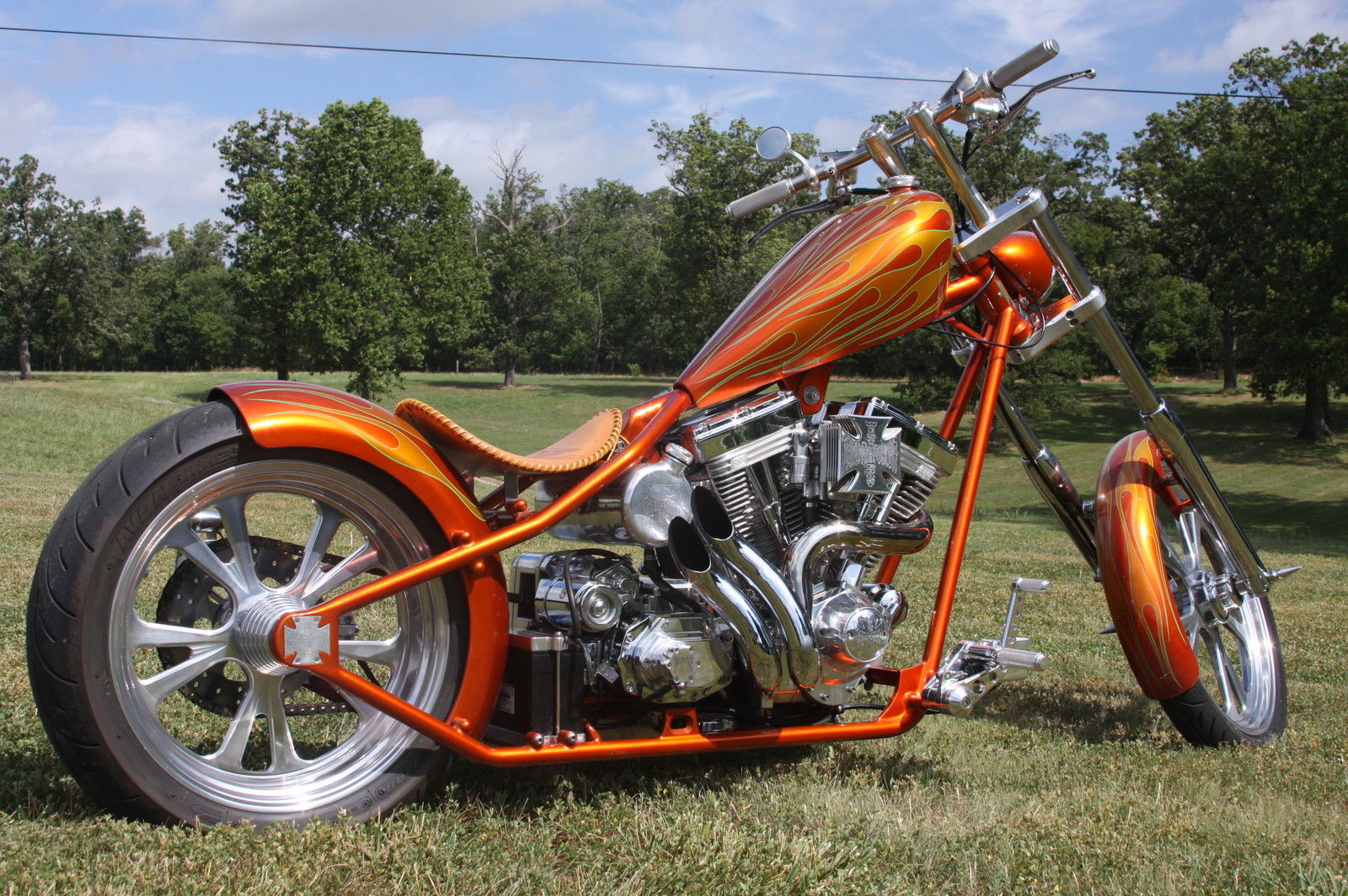
Imagine cruising down a sun-drenched boulevard, the hum of a meticulously crafted chopper rumbling beneath you, its gleaming chrome reflecting the golden hour like a mirror polished by the gods themselves. Now, pause for a moment. Which workshop’s signature style would you trust to deliver that kind of mechanical poetry? The raw, unfiltered genius of Orange County Choppers (OCC), where every weld tells a story and every curve whispers rebellion? Or the refined, precision-engineered artistry of West Coast Choppers (WCC), where fit and finish aren’t just goals—they’re sacred vows? The debate isn’t just about aesthetics; it’s a clash of philosophies, a duel of craftsmanship that asks one daring question: Can a chopper truly be both a rolling masterpiece and a flawless machine?
The Soul of the Build: OCC’s Unapologetic Rebellion
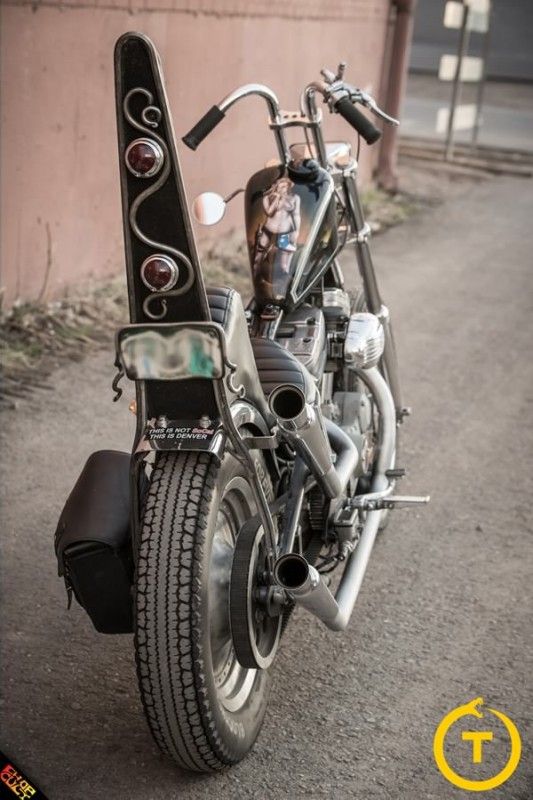
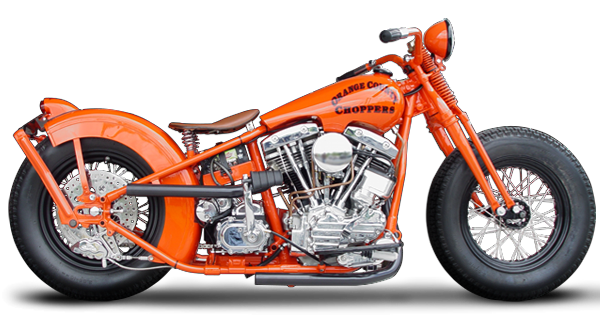
OCC doesn’t just build choppers—it forges statements. Every OCC creation is a visceral scream against convention, a two-wheeled manifesto where imperfection isn’t a flaw; it’s a badge of honor. The frames are hand-welded with a deliberate roughness, the welds thick and proud, like the scars of a warrior who’s seen too many backroads. There’s a tactile honesty to an OCC chopper: the exposed hardware, the asymmetrical flourishes, the way the paint sometimes looks like it was applied with a fire hose and a prayer. It’s not just a bike; it’s a rolling piece of Americana, unfiltered and unrefined.
But here’s the rub: that very rebellion comes with a price. The fit and finish on an OCC build can be… inconsistent. Gaps between panels, slightly misaligned components, or a finish that’s more “distressed” than “designed” aren’t uncommon. It’s as if the builders are daring you to look closer—to see the humanity in the craft. For purists, this is part of the charm. For others, it’s a dealbreaker. Can a chopper truly be considered high-quality if its fit and finish resemble a DIY project from a garage in the ‘70s? The answer, much like the bikes themselves, is gloriously subjective.
The Precision Paradox: WCC’s Flawless Facades
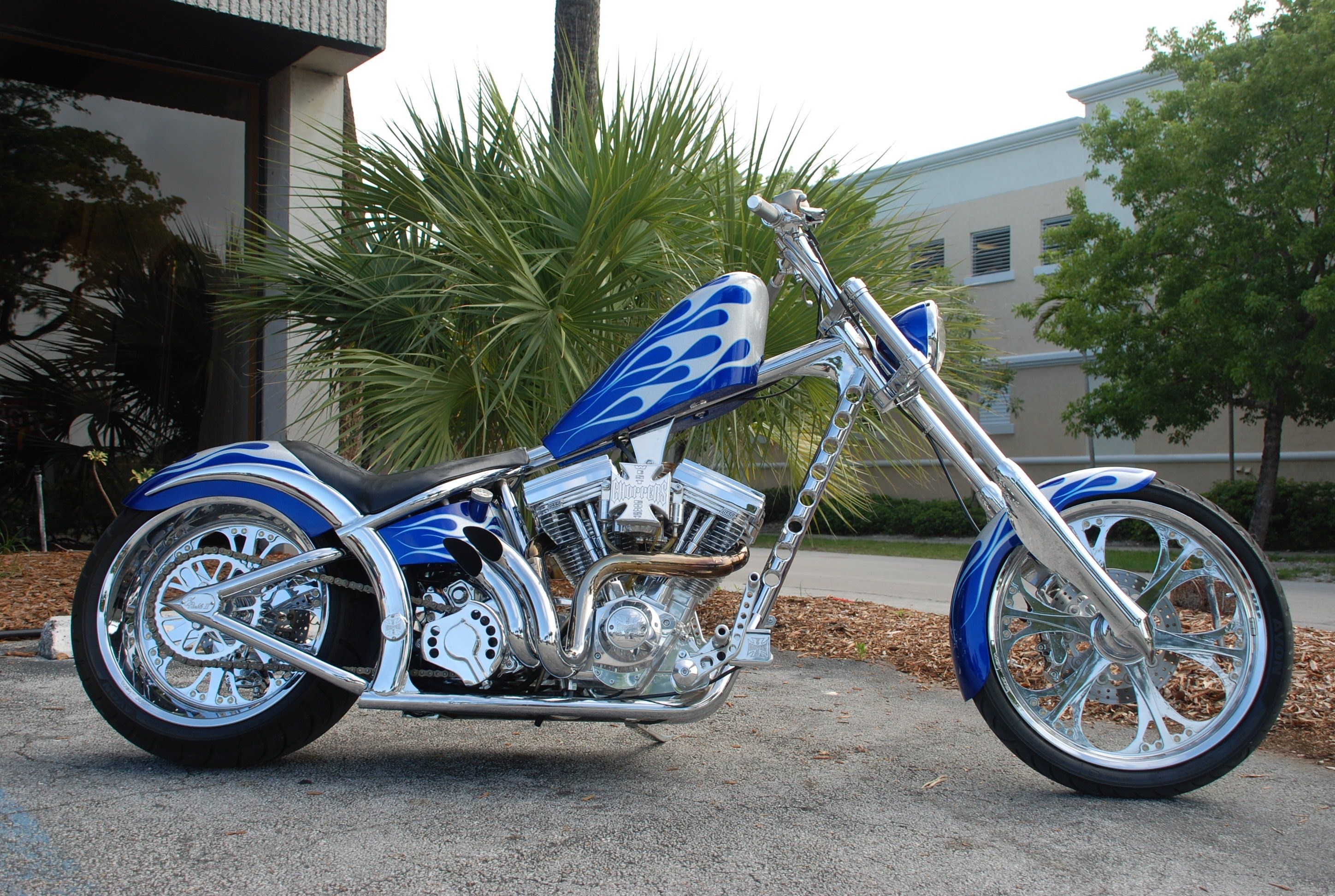
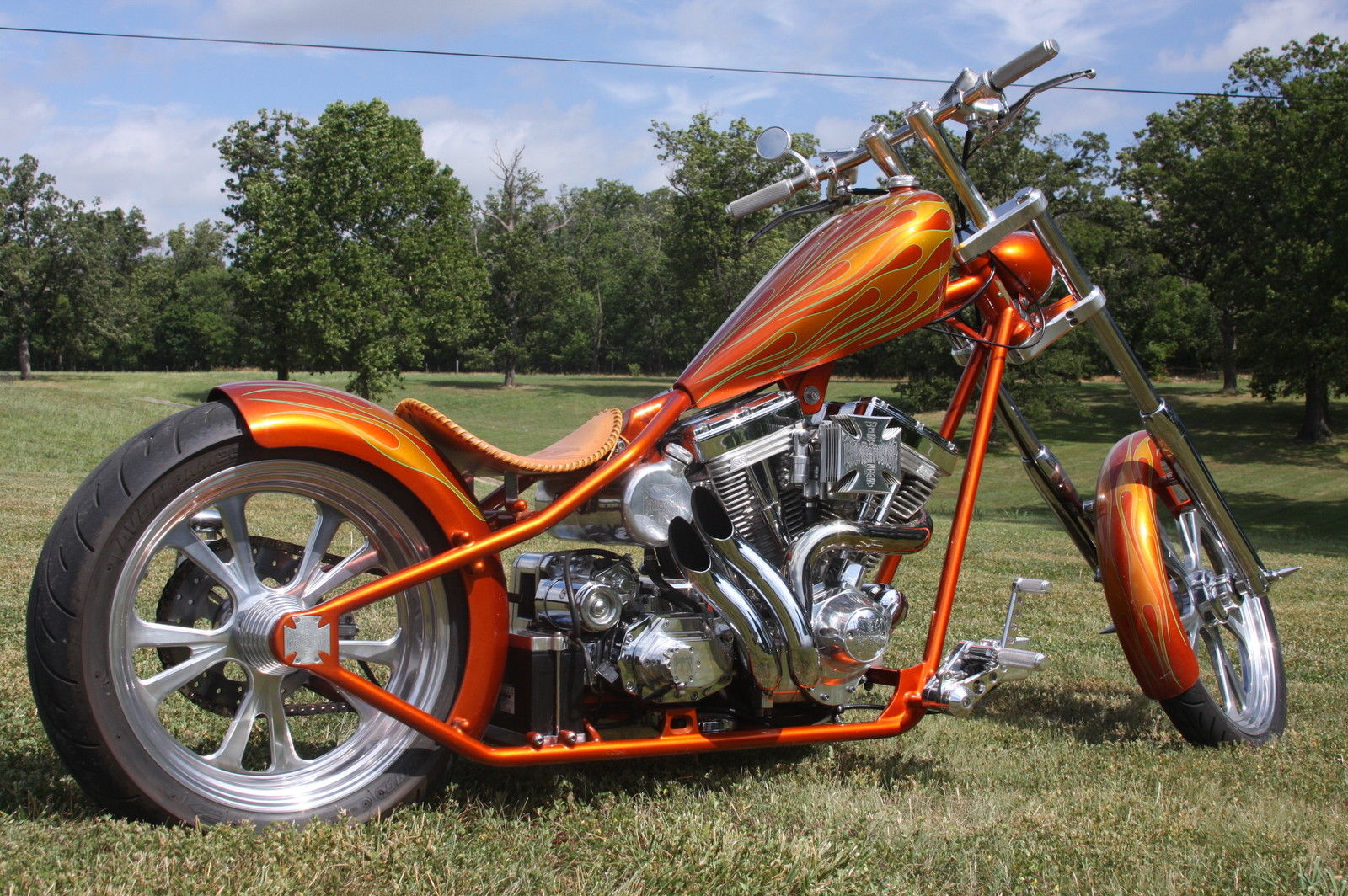
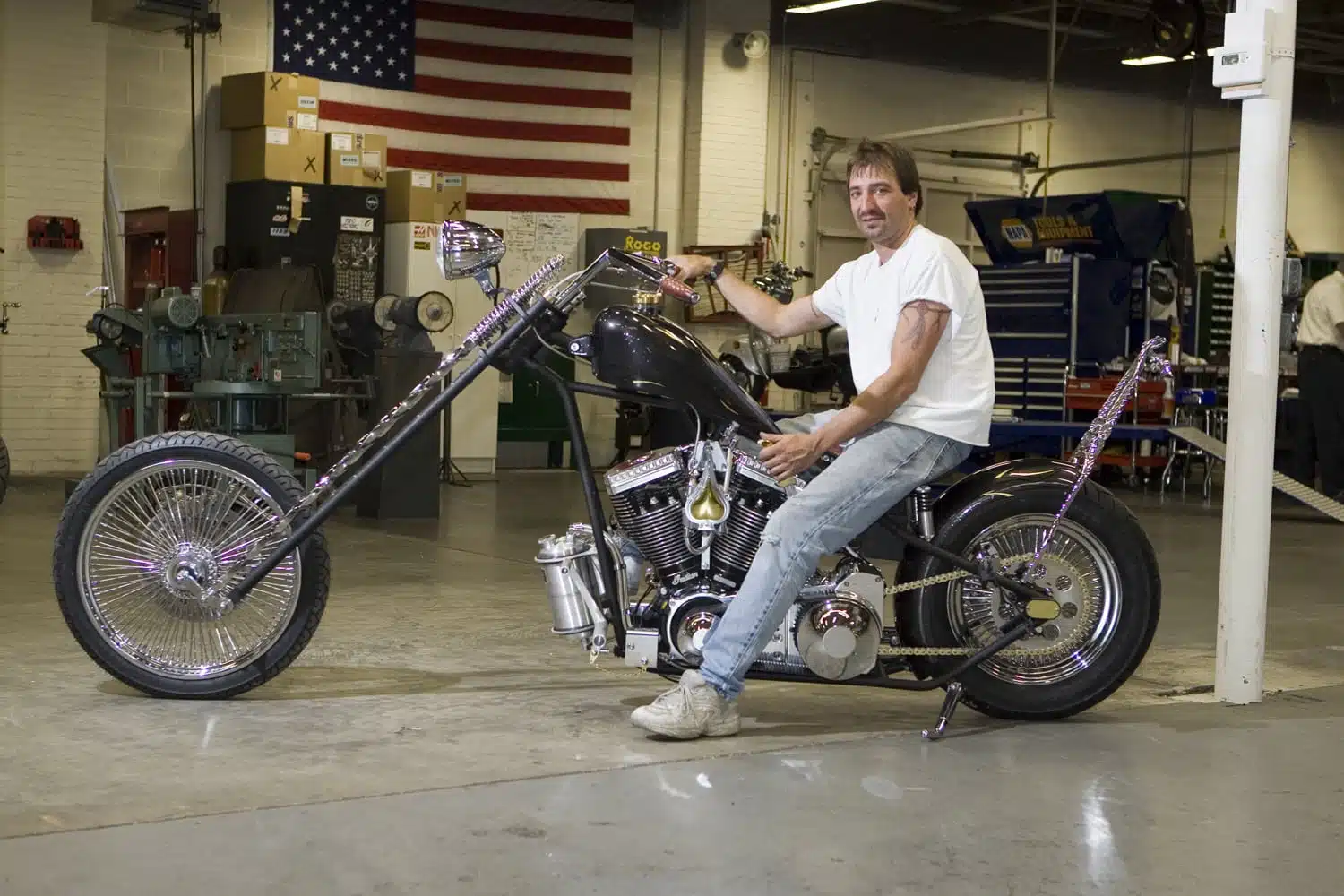
Enter West Coast Choppers, where the term “fit and finish” isn’t just a buzzword—it’s a religion. WCC choppers are the automotive equivalent of a Swiss watch: every line is crisp, every seam is seamless, and every surface gleams with the kind of polish that makes photographers weep. The welds are ground down to surgical smoothness. The paint is so flawless it could be used as a mirror in a villain’s lair. Even the smallest details—hinges, fasteners, even the placement of decals—are executed with the precision of a brain surgeon. It’s not just a chopper; it’s a rolling masterpiece, a testament to the idea that form and function can coexist in perfect harmony.
Yet, for all its perfection, there’s something almost sterile about a WCC build. The lack of visible imperfections can make the bike feel less like a living, breathing machine and more like a museum piece. Where OCC choppers wear their history on their sleeves, WCC bikes often look like they were just unboxed from a high-end showroom. Is that a flaw? Not necessarily—but it does raise a provocative question: Can a chopper be too perfect? In a world where character is often defined by battle scars, does a flawless finish rob the bike of its soul?
The Great Divide: Philosophy vs. Execution
The chasm between OCC and WCC isn’t just about aesthetics; it’s about philosophy. OCC builds are the equivalent of a punk rock anthem—loud, brash, and unapologetic. They thrive on the idea that a chopper should be as much about attitude as it is about engineering. WCC, on the other hand, is the symphony to OCC’s cacophony. It’s about control, refinement, and the relentless pursuit of perfection. One school of thought celebrates the raw, the organic, the imperfect. The other worships at the altar of precision, where every millimeter matters and every curve is calculated to within an inch of its life.
But here’s where it gets interesting: the lines aren’t always as clear as they seem. OCC has, at times, delivered builds with surprisingly tight tolerances, especially in their higher-end commissions. Conversely, WCC has dabbled in more “custom” territory, where the rigid adherence to perfection gives way to a touch of whimsy. The real challenge lies in reconciling these two worlds. Can a builder strike a balance between the rebellious spirit of OCC and the meticulous craftsmanship of WCC? Or is this a zero-sum game, where one must inevitably triumph over the other?
Durability: The Silent Judge
All the aesthetics in the world won’t matter if the bike can’t hold up under the rigors of the road. Here, the debate takes a pragmatic turn. OCC choppers, with their heavier frames and often more robust construction, tend to shrug off the kind of abuse that would reduce a delicate WCC build to a pile of expensive scrap. The thick, hand-welded joints of an OCC frame are less likely to crack under stress, and the exposed hardware, while unsightly to some, is less prone to seizing over time. WCC’s sleek, lightweight frames and meticulous finishes may look stunning, but they can be more susceptible to the wear and tear of daily riding.
Then there’s the matter of maintenance. A WCC chopper, with its flawless paint and polished surfaces, demands a level of upkeep that borders on obsessive. A single scratch or chip can feel like a personal betrayal. An OCC chopper, meanwhile, wears its battle scars with pride. A little rust here, a scuff there—it’s all part of the charm. Which approach is more practical? That depends entirely on whether you see your chopper as a work of art or a tool for living.
The Ultimate Test: Ride or Display?
At the end of the day, the choice between OCC and WCC comes down to one fundamental question: What do you want from your chopper? If you’re looking for a machine that will turn heads, tell a story, and survive the apocalypse, OCC’s rebellious spirit might be your calling. If you crave a bike that looks like it belongs in a gallery and performs with the grace of a ballerina, WCC’s precision could be your holy grail.
But here’s a thought to chew on: What if the real magic lies in the middle? What if the future of chopper building isn’t about choosing sides, but about blending the raw soul of OCC with the refined elegance of WCC? Imagine a bike that looks like it was forged in the fires of rebellion but rides like a dream, its fit and finish impeccable yet its character unmistakably its own. Until then, the debate rages on—and that’s exactly how it should be.