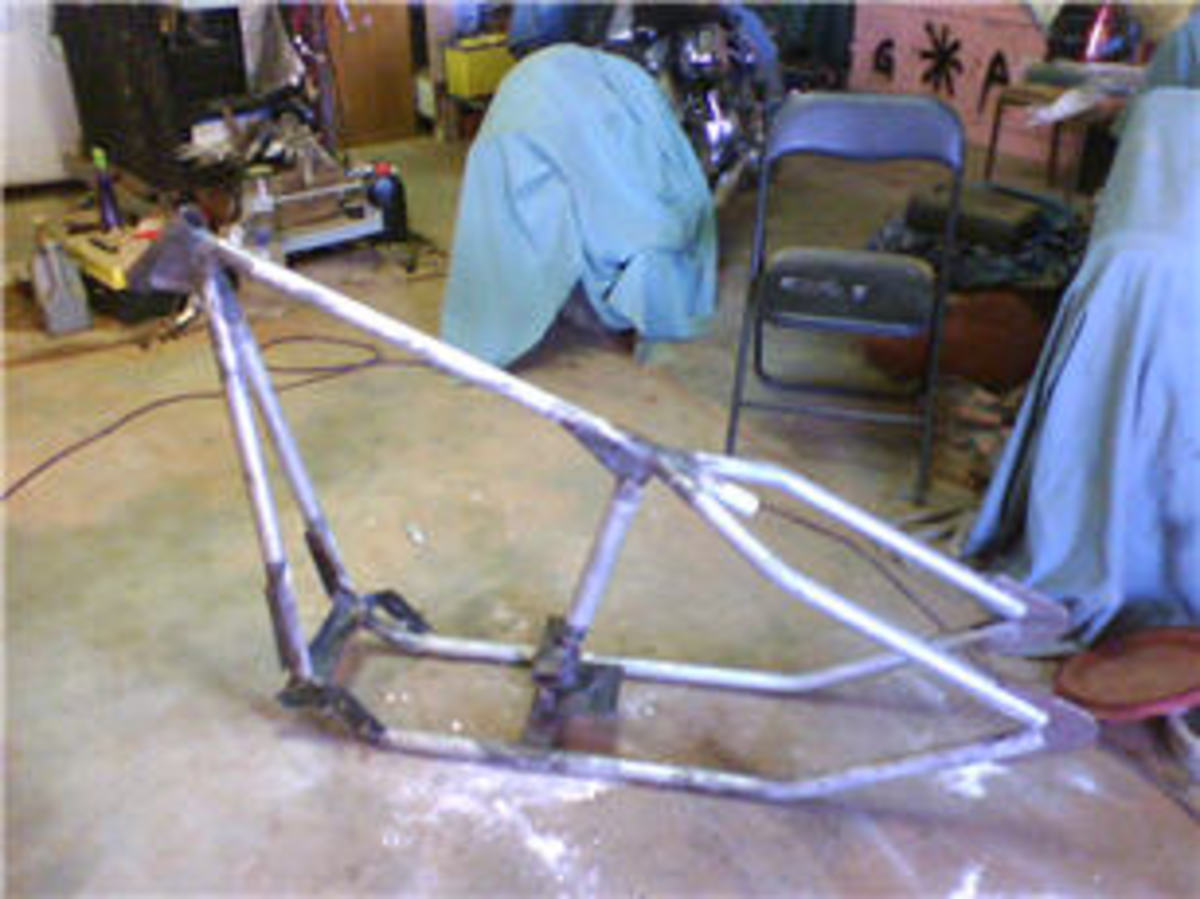
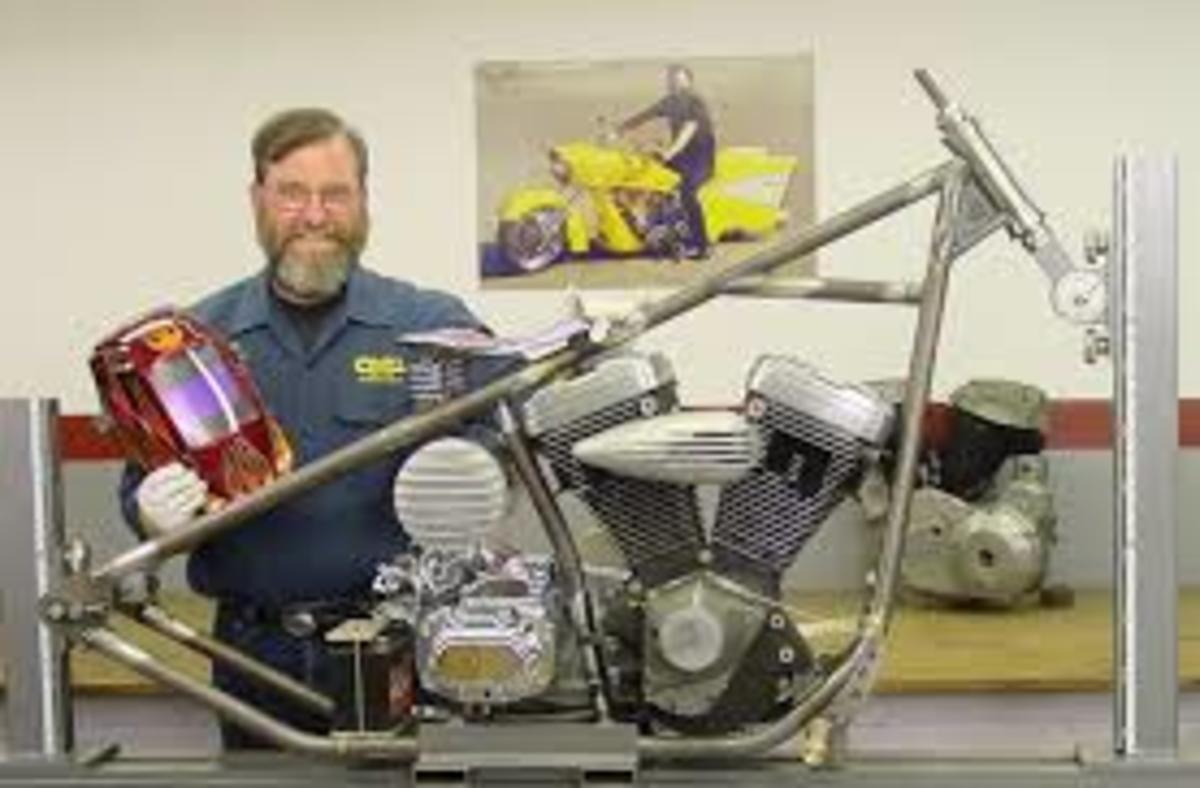
In the realm of chopper frame fabrication, precision is not just a goal—it’s a necessity. The backbone of any custom motorcycle lies in its frame, and bending tubes to exact specifications demands the right tools. A high-quality tube bender transforms raw metal into sleek, aerodynamic curves that define a chopper’s character. Whether you’re a seasoned fabricator or a passionate DIYer, selecting the best tube bender can elevate your craft from functional to extraordinary. This guide dives deep into the world of tube benders, exploring the types, features, and techniques that will help you craft frames that turn heads and ride like a dream.
The Art of Tube Bending: Why It Matters in Chopper Fabrication
Tube bending is more than just forcing metal into submission—it’s a delicate dance between strength and aesthetics. A chopper frame must balance structural integrity with visual flair, and the bending process is where this magic happens. Poorly bent tubes can lead to weak spots, misalignments, or even catastrophic failures. Conversely, a well-executed bend enhances the frame’s rigidity while allowing for creative design flourishes. The right tube bender ensures consistency, repeatability, and the ability to work with various materials, from mild steel to chromoly. Without it, even the most skilled welder is limited by the constraints of straight tubes and brute-force adjustments.
Manual vs. Power-Assisted Tube Benders: Which Path to Choose?
When selecting a tube bender, the first fork in the road is manual versus power-assisted. Manual benders, often lever-operated, are the purists’ choice. They offer unparalleled control, allowing fabricators to fine-tune bends with precision. These benders are ideal for small-scale projects or when working with thinner-walled tubing where excessive force could cause deformation. However, they demand significant physical effort and time, making them less practical for large-scale production.
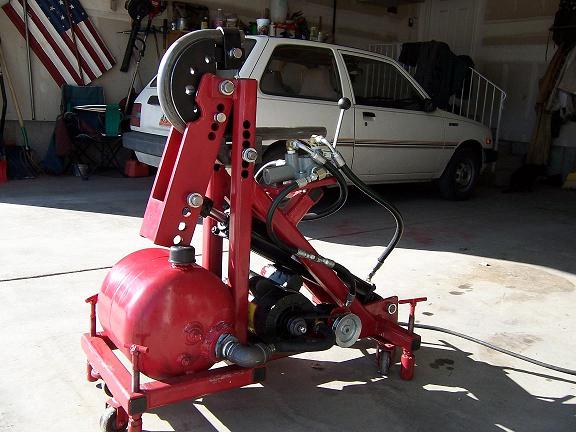
Power-assisted benders, on the other hand, bring efficiency to the table. Electric or hydraulic models reduce operator fatigue and increase speed, which is crucial for professional shops juggling multiple projects. They excel with thicker-walled tubing and larger diameters, where manual force falls short. The trade-off? Less tactile feedback and a higher upfront cost. For chopper builders aiming to balance craftsmanship with productivity, a power-assisted bender with adjustable settings can be a game-changer.
Rotary Draw vs. Mandrel Bending: The Core Techniques Explained
Not all tube benders are created equal, and the bending technique they employ can drastically affect the outcome. Rotary draw benders are the workhorses of the industry, using a rotating die to pull the tube around a fixed bend radius. This method is perfect for tight, consistent bends with minimal ovalization, making it a favorite for high-end chopper frames. The downside? It requires specialized tooling for each tube size and bend angle, which can be costly.
Mandrel bending takes precision a step further by inserting a flexible mandrel inside the tube to prevent collapse or wrinkling. This technique is essential for thin-walled or high-strength tubing, where structural integrity is paramount. While mandrel benders are more complex and expensive, they deliver flawless results that manual or rotary draw methods can’t match. For fabricators pushing the boundaries of design, investing in a mandrel bender is often non-negotiable.
The choice between rotary draw and mandrel bending hinges on your project’s demands. Rotary draw benders are versatile and cost-effective for most applications, while mandrel benders are reserved for the most demanding jobs where perfection is non-negotiable.
Material Matters: Bending Steel, Aluminum, and Chromoly
The type of metal you’re bending dictates the bender’s capabilities and your approach. Mild steel, the backbone of many chopper frames, is forgiving and easy to work with, but it requires a bender with sufficient torque to avoid springback—the tendency of the metal to partially unbend after the force is removed. Chromoly, a high-strength alloy favored for its durability, demands a bender with precise control to prevent cracking or deformation. Aluminum, while lightweight and corrosion-resistant, is notoriously finicky, requiring slower bending speeds and specialized tooling to avoid wrinkling or thinning.
Understanding the material’s properties is crucial. For instance, chromoly’s high tensile strength means you’ll need a bender with a higher tonnage rating to achieve the same bend as mild steel. Aluminum, on the other hand, benefits from a mandrel bender to maintain its structural integrity. Always consult the material’s specifications and your bender’s capabilities to avoid costly mistakes.
Key Features to Look for in a Tube Bender
Not all tube benders are built the same, and the features they offer can make or break your fabrication process. First, consider the bender’s capacity—both in terms of tube diameter and wall thickness. A bender that can handle 1.5-inch diameter tubing with 0.120-inch walls will outperform one limited to 1-inch tubing. Next, evaluate the bend angle range. Some benders are limited to 90-degree bends, while others can achieve 180-degree twists, essential for intricate chopper designs.
Adjustability is another critical factor. Look for benders with interchangeable dies and mandrels to accommodate different tube sizes. Hydraulic or electric assist systems can also enhance precision, especially for repetitive bends. Don’t overlook the build quality—sturdy construction minimizes vibration and ensures consistent results. Finally, consider the bender’s footprint. A compact model may be ideal for a home garage, while a larger, floor-mounted unit suits professional workshops.
Pro Tips for Achieving Flawless Bends
Even the best tube bender won’t deliver perfect results without the right technique. Start by marking your bend points with a soapstone or permanent marker to ensure accuracy. Lubrication is key—apply a high-quality bending lubricant to reduce friction and prevent scoring. For manual benders, use slow, steady pressure to avoid jerky movements that can cause kinks. If using a power-assisted bender, take advantage of its speed controls to fine-tune the bend angle.
Always account for springback by overbending slightly—typically 2 to 5 degrees—to compensate for the metal’s tendency to relax after bending. Test bends on scrap tubing before committing to your project, and don’t hesitate to adjust your setup if the results aren’t up to par. Remember, practice makes perfect, and even the most experienced fabricators refine their techniques with each bend.
Another pro tip: heat can be your ally. For particularly stubborn materials like chromoly, localized heating with a torch can soften the metal, making it more pliable. Just be sure to let it cool evenly to avoid warping. And always wear appropriate safety gear—gloves, goggles, and ear protection—to shield yourself from flying debris and loud machinery.
DIY vs. Professional-Grade Benders: What’s Right for You?
The decision to invest in a professional-grade bender or stick with a DIY approach depends on your goals, budget, and long-term plans. DIY benders, often budget-friendly and portable, are perfect for hobbyists or those just starting out. They’re ideal for small projects or occasional use, but they may lack the precision and durability needed for high-end chopper fabrication. Professional-grade benders, while expensive, offer unmatched accuracy, speed, and versatility. They’re built to last, with robust construction and advanced features that streamline the bending process.
Consider your workshop’s space and workflow. A professional bender may require a dedicated area with ample clearance, while a DIY model can fit on a workbench. Think about your future projects—if you plan to expand into larger or more complex designs, investing in a high-quality bender now could save you time and money down the road. For those unsure, renting a professional bender for a day or two can provide a taste of its capabilities before committing to a purchase.
Innovations in Tube Bending Technology
The world of tube bending is evolving, with cutting-edge technologies enhancing precision and efficiency. CNC (Computer Numerical Control) tube benders are revolutionizing the industry by automating the bending process. These machines use pre-programmed instructions to achieve exact bend angles and radii, eliminating human error and increasing repeatability. They’re particularly useful for large-scale production or when working with complex designs that require multiple bends.
Another innovation is the integration of laser measurement systems, which provide real-time feedback on bend accuracy. This technology ensures that each bend meets exact specifications, reducing waste and rework. Some advanced benders even feature adaptive control systems that adjust parameters on the fly based on material properties or environmental conditions. As technology advances, the gap between manual craftsmanship and automation continues to narrow, offering fabricators new tools to push the boundaries of their creativity.
Maintenance and Longevity: Keeping Your Tube Bender in Top Shape
A tube bender is an investment, and like any tool, it requires proper maintenance to deliver peak performance. Start by cleaning the dies and mandrels after each use to remove metal shavings and lubricant residue. Inspect the bender for signs of wear, such as cracks or misalignments, and address them promptly to prevent further damage. Lubricate moving parts regularly to reduce friction and extend the bender’s lifespan.
Store your bender in a dry, climate-controlled environment to prevent rust and corrosion. If your bender has hydraulic components, check the fluid levels and replace them as needed to avoid leaks or malfunctions. For power-assisted models, ensure the electrical or hydraulic connections are secure and free from damage. By treating your tube bender with care, you’ll ensure it remains a reliable partner in your fabrication journey for years to come.