There’s a moment in every chopper builder’s journey when the engine—once a gleaming promise of power—becomes a puzzle of bolts, gaskets, and grease-stained dreams. The engine stand isn’t just a tool; it’s the fulcrum of transformation, the silent partner in a rebuild that turns chaos into precision. But not all stands are created equal. For the chopper motor, where form meets function in a dance of torque and tradition, the right stand can mean the difference between a rebuild that hums with harmony and one that sputters with frustration. This isn’t about lifting metal—it’s about lifting your game.
The Chopper Motor’s Unique Demands: Why a Generic Stand Won’t Cut It
A chopper motor isn’t just any engine. It’s a statement—a blend of raw power and custom craftsmanship, often with aftermarket components that defy standard dimensions. A generic engine stand, designed for mass-produced V8s or inline-sixes, lacks the adaptability to cradle a chopper motor’s idiosyncrasies. The mounting points might not align, the weight distribution could be off, and the rotation might feel like wrestling a stubborn mule. The stand you choose must be a chameleon, adjusting to the motor’s quirks while providing the stability of a mountain. Look for stands with adjustable arms, heavy-duty locking mechanisms, and a weight capacity that laughs in the face of your motor’s torque. This isn’t just about holding the engine aloft; it’s about holding your sanity intact through the rebuild.

Rotation vs. Static: The Battle for Control in Your Workshop
Here’s where the philosophical divide begins: rotation or static? A rotating engine stand offers unparalleled access, allowing you to flip the motor like a pancake and work from every angle without breaking a sweat. But rotation isn’t free—it demands precision engineering. Cheap rotating stands wobble like a drunkard at last call, turning your workshop into a carnival ride. The high-end options, however, glide with the grace of a ballerina, their bearings whispering rather than groaning. Static stands, on the other hand, are the steadfast sentinels of the rebuild world. They don’t move, but they don’t lie. If you’re working on a chopper motor with a custom bellhousing or a unique mounting pattern, a static stand might be your only option. The choice isn’t just about convenience; it’s about control. Do you want to dance with your motor, or anchor it down and fight the good fight?
Material Matters: Steel, Aluminum, and the Weight of the World
The material of your engine stand isn’t just a detail—it’s a declaration. Steel stands are the brute-force champions of the workshop, their weight a testament to durability. They laugh at dropped wrenches and scoff at the idea of bending under pressure. But steel is heavy, and if you’re working in a cramped garage, maneuvering a 200-pound stand might feel like herding cats. Aluminum stands, meanwhile, are the featherweights of the rebuild world. They’re nimble, easy to move, and resistant to rust’s insidious advances. But they’re not invincible. A poorly made aluminum stand can warp under the strain of a chopper motor, leaving you with a sagging mess and a heart full of regret. Then there’s the middle ground: powder-coated steel or reinforced aluminum alloys, the Goldilocks of engine stands. They balance strength and portability, offering the best of both worlds. The material you choose isn’t just about what your stand can hold—it’s about what it can do for you.
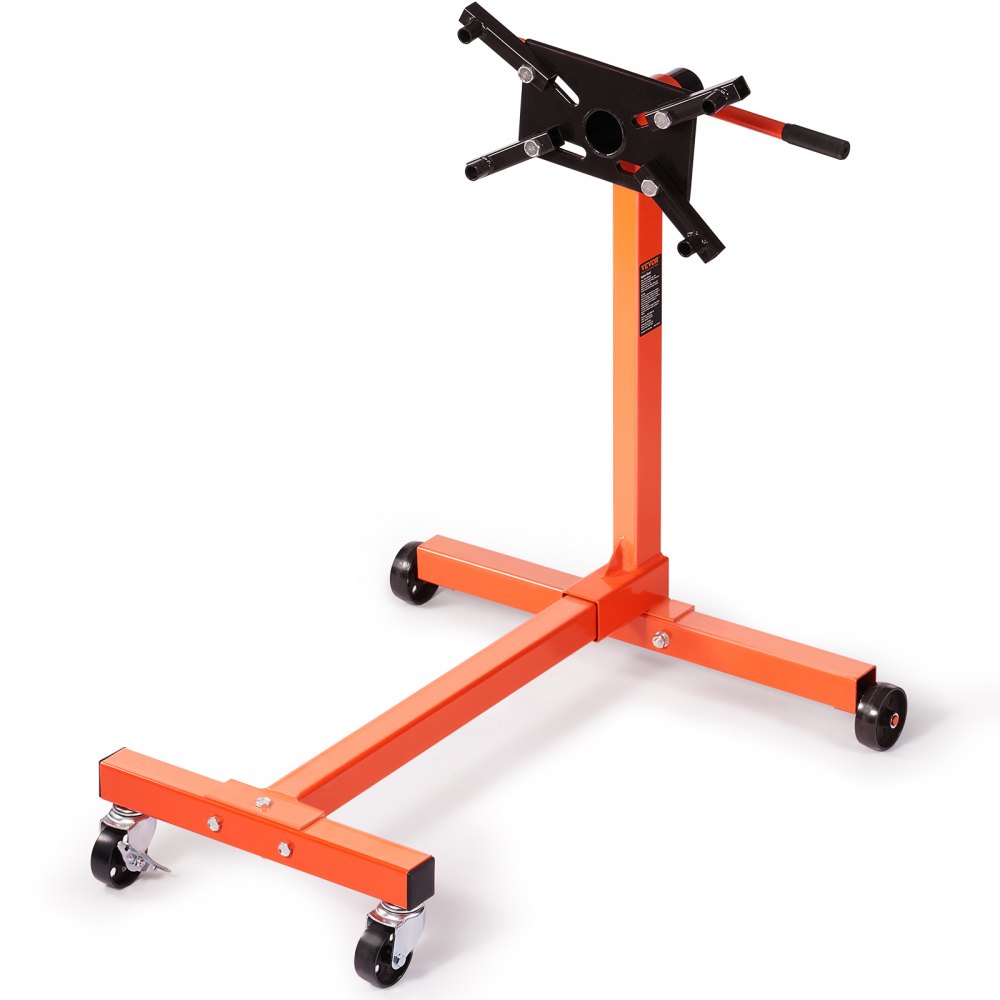
Mounting Mastery: How to Secure Your Chopper Motor Without Losing a Finger
Mounting an engine on a stand isn’t a task—it’s a ritual. One wrong move, and your prized chopper motor could come crashing down, turning your workshop into a scene from a horror movie. The key? Patience and precision. Start by cleaning the mounting points on both the motor and the stand, removing any debris that could interfere with a snug fit. Then, align the motor’s mounting holes with the stand’s arms, ensuring a flush connection. Don’t force it. If it doesn’t slide in easily, you’re doing something wrong. Once aligned, secure the motor with the appropriate bolts or adapters, tightening them in a crisscross pattern to distribute pressure evenly. And for the love of all things holy, double-check your work. A loose motor isn’t just a nuisance—it’s a ticking time bomb. The goal isn’t just to mount the engine; it’s to make it an extension of the stand itself, a seamless union of power and stability.
Portability and Storage: Because Your Workshop Isn’t a Museum
Let’s be real: your workshop isn’t a pristine gallery where tools hang in perfect harmony. It’s a battleground of half-finished projects, scattered parts, and the occasional rogue wrench that seems to multiply overnight. Your engine stand needs to be a survivor. Look for stands with foldable designs or compact footprints, allowing you to tuck them away when the chaos of rebuild season subsides. Some stands even come with built-in storage for tools or adapters, turning them into mobile workstations. Portability isn’t just about moving the stand from one side of the garage to the other; it’s about adapting to the ebb and flow of your build. The stand should be as flexible as your vision, ready to serve when you need it and vanish when you don’t.
The Hidden Costs: What They Don’t Tell You About Engine Stands
Every engine stand comes with a price tag, but the real costs lurk in the fine print. Shipping fees for heavy stands can rival the cost of the stand itself. Assembly time? Some stands arrive as a labyrinth of bolts and instructions, demanding the patience of a saint. And then there’s the matter of compatibility. A stand that fits your chopper motor today might not accommodate the next project you tackle. The hidden costs aren’t just financial—they’re emotional. A stand that fails mid-rebuild isn’t just a tool malfunction; it’s a betrayal of trust. Do your homework. Read reviews. Measure twice, buy once. The right stand should feel like an investment, not a gamble.
Final Verdict: The Stand That Will Change Your Rebuild Game
So, which stand deserves to be the centerpiece of your chopper motor rebuild? The answer isn’t universal. It depends on your motor’s size, your workshop’s layout, and your personal philosophy of rebuilds. But if you’re looking for a stand that embodies the spirit of the chopper—raw, adaptable, and unapologetically powerful—then prioritize rotation, material strength, and mounting precision. The best stand isn’t just a tool; it’s a partner in your rebuild journey. It should challenge you, support you, and ultimately, elevate your work from mere mechanics to artistry. Choose wisely, and your chopper motor will thank you—not with words, but with the roar of a thousand miles of open road.