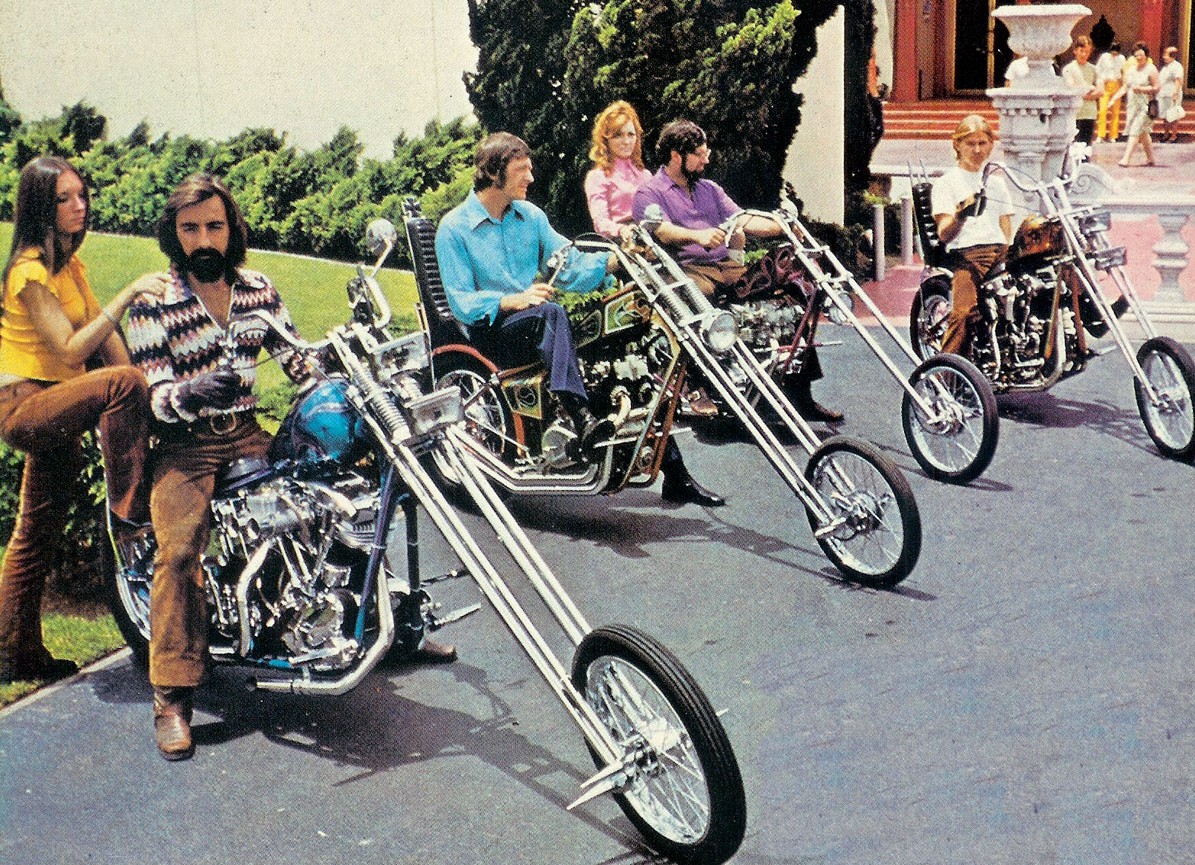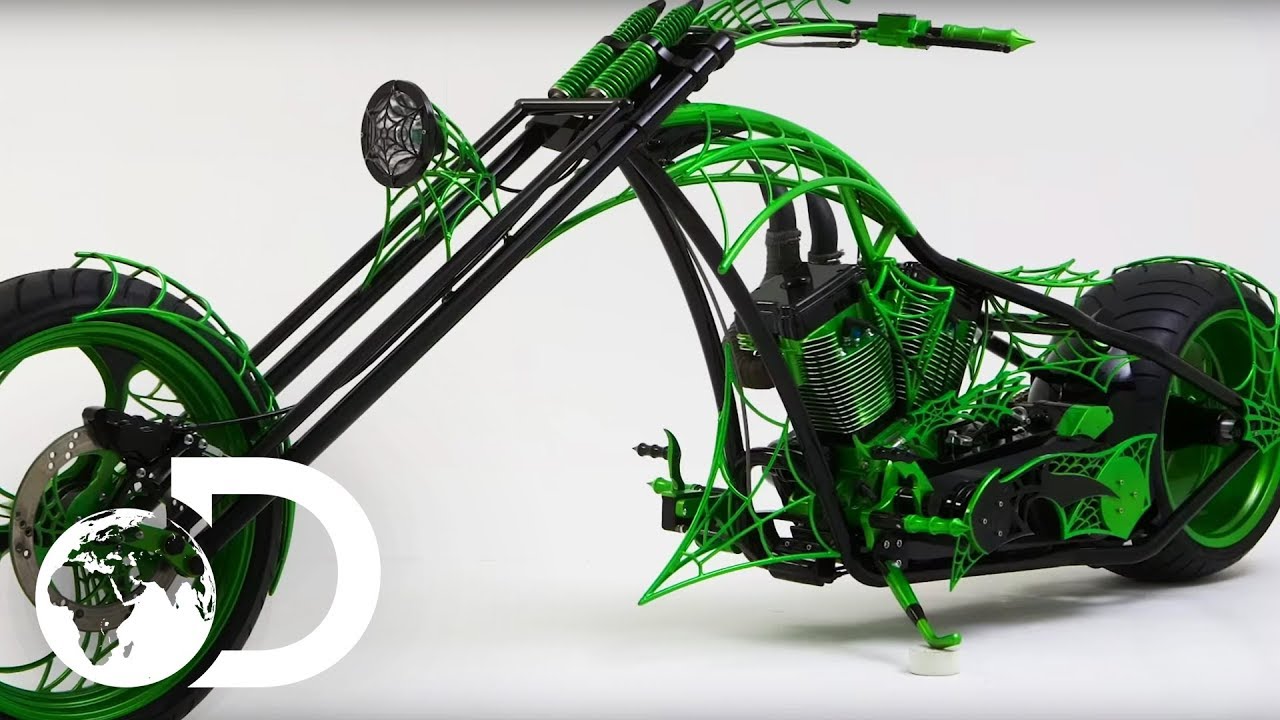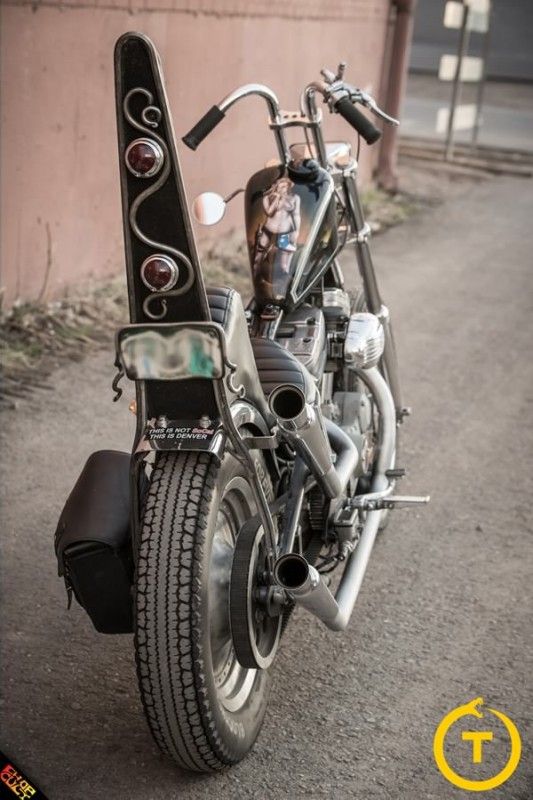
There’s something primal about the rumble of a chopper’s engine beneath you, the wind slicing past as the machine leans into a curve. But the true soul of the ride isn’t just in the bike—it’s in the rider’s connection to the road, a bond that demands protection without compromise. Denim jeans, once mere casual wear, have evolved into armor for the asphalt-bound adventurer. For chopper enthusiasts, reinforced denim isn’t just clothing; it’s a second skin, a silent guardian against the unforgiving tarmac. The best pairs don’t just shield—they move with you, flex with your every twist, and whisper of endless horizons. Yet, not all denim is created equal. The difference between a ride ruined by road rash and one where the jeans become an extension of your spirit lies in the details. Let’s dive into what makes reinforced denim for chopper riding not just functional, but legendary.
The Anatomy of Reinforced Denim: Where Protection Meels Artistry
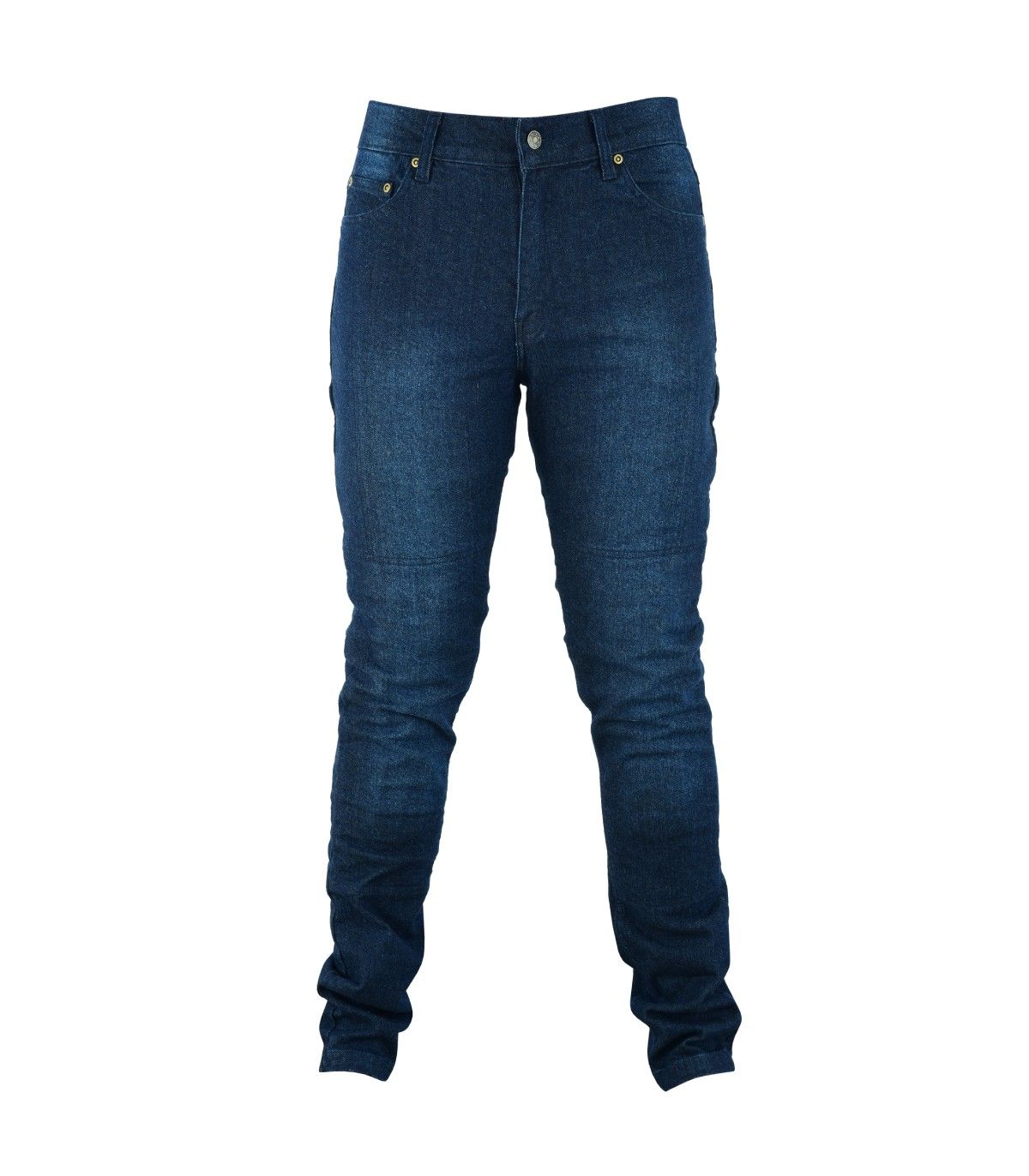
Reinforced denim for chopper riding is a marvel of textile engineering, where rugged durability meets the fluidity of motion. The magic begins with the fabric itself—typically a high-twist cotton blend, often infused with elastane for stretch. This isn’t your father’s stiff denim; it’s a fabric that bends without breaking, clings without restricting. But the real story is in the reinforcements. Hidden beneath the surface, strategically placed panels of Kevlar, Cordura, or Dyneema weave a silent shield. These aren’t just patches; they’re meticulously stitched into high-impact zones—the knees, hips, and seat—where the road’s wrath is most likely to strike. The stitching itself is an art form, using double or even triple-needle seams to distribute force, ensuring that if the unthinkable happens, the fabric gives way before your skin does. It’s a dance of physics and craftsmanship, where every thread plays a role in the ballet of survival.
Then there’s the question of articulation. A chopper rider’s legs aren’t just dangling; they’re engaged, shifting weight, pressing against the bike’s contours. The best reinforced denim incorporates articulated knee panels or pre-shaped seams that mirror the natural bend of the rider’s legs. This isn’t just about comfort—it’s about preserving the rider’s connection to the machine. A rigid jean might protect, but it will also fight you, turning every mile into a battle. The truly exceptional pairs feel like a second nervous system, moving in sync with your body’s every command.
The Myth of Sacrifice: How Modern Reinforced Denim Defies Convention
For decades, the trade-off was clear: protection meant sacrificing style, comfort, or both. Reinforced denim was bulky, stiff, and often looked like it belonged on a construction site rather than a chopper. But those days are gone. Today’s reinforced denim is a testament to innovation, where the lines between safety and sophistication have blurred into irrelevance. The modern rider no longer has to choose between looking sharp and staying safe. The best pairs are indistinguishable from premium streetwear at a glance, with reinforced panels hidden in plain sight—or cleverly integrated into the design. Some even feature abrasion-resistant coatings that shimmer subtly in the sunlight, catching the eye without announcing their purpose.
Comfort, too, has undergone a revolution. Gone are the days of stiff, unyielding fabric that chafes after an hour in the saddle. Today’s reinforced denim incorporates moisture-wicking linings, breathable mesh panels, and even ergonomic tailoring to prevent the dreaded “saddle sore” phenomenon. The result? A jean that feels like it was tailor-made for your body, whether you’re cruising down a coastal highway or navigating the twisty backroads of a mountain pass. It’s a quiet rebellion against the old guard of motorcycle gear, proving that you don’t have to look like a crash-test dummy to ride like one.
The Psychology of the Ride: Why Reinforced Denim Becomes an Extension of Self
There’s a deeper layer to the allure of reinforced denim for chopper riders, one that transcends mere functionality. It’s the psychology of the ride—the way gear becomes an extension of the rider’s identity. A well-worn pair of reinforced jeans isn’t just clothing; it’s a chronicle of every mile traveled, every near-miss avoided, every moment where the road could have won but didn’t. The fabric carries the scent of leather and gasoline, the faint abrasions from a close call, the warmth of the engine’s heat seeping through after a long ride. It’s a tactile diary of the open road, a silent testament to the rider’s journey.
This is why the best reinforced denim isn’t just about protection—it’s about presence. The way the fabric moves with your body, the way it responds to the bike’s vibrations, the way it becomes an almost imperceptible part of your movements. It’s the difference between feeling like you’re wearing armor and feeling like you’ve become one with the machine. There’s a meditative quality to it, a focus that comes from knowing your gear won’t let you down. In a world where distractions are everywhere, reinforced denim offers a rare kind of clarity—a reminder that the ride is about more than just the destination.
Beyond the Basics: The Unseen Innovations in Reinforced Denim
The world of reinforced denim is constantly evolving, with new technologies pushing the boundaries of what’s possible. Some brands are experimenting with smart fabrics that adapt to temperature changes, keeping the rider cool in the summer and warm in the winter. Others are incorporating impact-absorbing gels into high-risk zones, turning the jeans into a kind of wearable airbag. There are even pairs designed with modular armor systems, allowing riders to swap out protective panels based on the terrain or their riding style. It’s a level of customization that was once the stuff of science fiction, now available to the everyday chopper enthusiast.
Then there’s the question of sustainability. As riders become more conscious of their environmental footprint, brands are responding with eco-friendly reinforcements made from recycled materials or plant-based fibers. Some are even using biodegradable coatings that break down harmlessly over time, reducing the long-term impact of the gear. It’s a small but significant step toward ensuring that the thrill of the ride doesn’t come at the expense of the planet. The best reinforced denim of the future won’t just protect the rider—it will protect the world they ride in.
Choosing Your Ride’s Second Skin: A Buyer’s Guide to Reinforced Denim
With so many options on the market, selecting the right pair of reinforced denim can feel overwhelming. Start by assessing your riding style. Are you a long-distance cruiser, a weekend warrior, or a backroad rebel? Each demands different features—long-haul riders might prioritize breathability and moisture-wicking, while twisty-road enthusiasts need articulated knees and flexible reinforcements. Fit is another critical factor. A jean that’s too loose will flap in the wind, creating drag and discomfort, while one that’s too tight will restrict movement and chafe. Look for brands that offer multiple fits or custom tailoring options.
Pay close attention to the reinforcement placement. The best pairs will have panels in the knees, hips, and seat, but some also include shin or thigh protections for added safety. Check the stitching—double or triple-needle seams are a sign of quality, as are reinforced stress points like the crotch and waistband. And don’t overlook the small details: a hidden waistband pocket for your keys, reflective piping for nighttime visibility, or a hidden belt loop for those who prefer a more streamlined look. Finally, consider the fabric’s weight. Heavier denim offers more protection but can be less breathable, while lighter options are cooler but may sacrifice some durability. It’s all about finding the balance that works for you.

The Future of Reinforced Denim: Where Tradition Meets Tomorrow
The evolution of reinforced denim is far from over. As technology advances, so too will the possibilities. Imagine jeans that monitor your vitals, alerting you to fatigue or dehydration before you even feel it. Picture gear that adjusts its protection level based on your speed or the road conditions, becoming lighter and more flexible when you’re cruising and stiffer when you’re pushing limits. The line between fashion and function will continue to blur, with reinforced denim becoming as much a statement of style as it is a shield against the elements. And as electric choppers grow in popularity, so too will the need for gear that can handle the unique demands of battery-powered rides—lighter, cooler, and more adaptable than ever before.
Yet, for all its innovation, the heart of reinforced denim remains unchanged. It’s about the ride—the thrill of the open road, the connection to the machine, the unspoken bond between rider and gear. The best pairs aren’t just tools; they’re companions, silent partners in every adventure. They’re the difference between a ride that’s merely survived and one that’s truly lived. So the next time you swing your leg over your chopper, take a moment to appreciate the denim hugging your legs. It’s not just clothing. It’s your armor. It’s your legacy. It’s the fabric of your freedom.