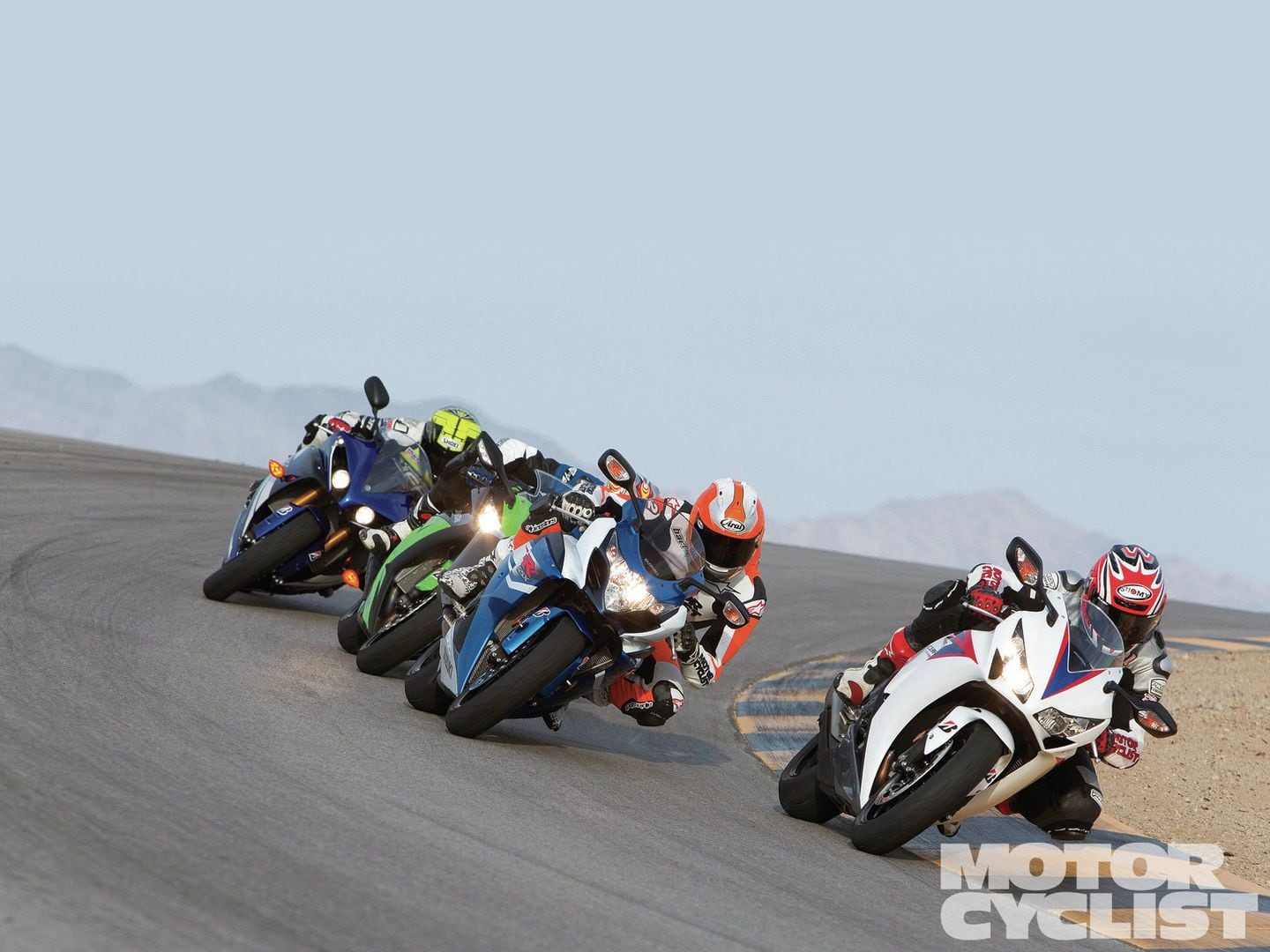
When one peers into the golden era of sportbikes, 1997 emerges as a pivotal year—an epoch where engineering prowess met aesthetic brilliance, forging machines that redefined two-wheeled performance. The R1, GSX-R, and CBR stood at the vanguard of this revolution, offering motorcycles that weren’t just vehicles but visceral experiences. Their rivalry wasn’t merely about horsepower figures or lap times; it was a clash of philosophies, each promising a distinct narrative and a unique interpretation of what a sportbike should embody.
The 1997 Yamaha YZF-R1 heralds a seismic shift in the sportbike domain. It was a motorcycle birthed out of an ambition to mimic the throttle response and agility of a 500cc Grand Prix bike, yet remain accessible to the street rider. Yamaha’s engineers painstakingly crafted an 998cc inline-four engine with a harmonious blend of high-revving ferocity and tractable midrange torque. The result was not just raw power but an all-encompassing balance that delivered predictability without sacrificing excitement. Its chassis utilized a deltabox frame, stiff and precise, enabling razor-sharp turns and confident handling through intricate corners. The R1’s defining trait is its uncanny ability to bridge the gap between track-day dominance and everyday usability. It stirred a paradigm shift, compelling riders to reconsider the very nature of sportbike performance.
Venturing westward to Suzuki’s domain introduces the GSX-R750, a titan celebrated not solely for brute force but for its ritualistic dedication to weight reduction and aerodynamic finesse. The 1997 iteration was a masterclass in engineering minimization—less often is more. Suzuki’s engineers cut fat mercilessly, employing innovative composite materials and streamlining the chassis to achieve an optimal power-to-weight ratio. Its 750cc engine, a revered inline-four, was famed for its rev-happy temperament, capable of unleashing a crescendo of power as the tachometer climbed aggressively toward the redline. The GSX-R750 resided in a liminal space, straddling nimbleness and committed aggression. For aficionados who sought a bike that rewarded precision and acute throttle control, the GSX-R presented a compelling proposition, one that prioritized finesse and track day heroics over straight-line intimidation.
Then, there’s the Honda CBR900RR Fireblade, a motorcycle that arguably propelled the sportbike genre into a new stratosphere. It was heralded as a masterpiece of compact design, boasting a 900cc four-cylinder engine rooted in the philosophy that “less is more.” Honda eschewed the common trend of merely adding displacement; instead, they engineered a lightweight, agile weapon that was exceptionally rider-friendly. The Fireblade’s signature lay in its uncanny balance between power and manageability. It excelled in transforming raw energy into controlled combustion—an art form of torque delivery and chassis geometry. Every ride on the CBR900RR felt like the embodiment of engineering poetry, where intuitive handling fused seamlessly with potent acceleration. It wasn’t just a motorcycle; it was a manifesto that performance need not be cumbersome to be fearsome.
Intriguingly, these motorcycles also diverged in their approach to rider engagement. The Yamaha R1, often regarded as the bruiser of the trio, communicated through its exhilarating powerband and muscular presence. Yet, it didn’t alienate the rider with unwieldy excess; instead, it invited a dance of finesse and aggression. Contrasting this, the Suzuki GSX-R was more clandestine, rewarding those who mastered its nuances. It demanded respect and precision, whispering promises of lap-time glory to the patient and skilled. The Honda Fireblade, meanwhile, enveloped the rider with a comforting yet electrifying embrace, a perfect conduit for the visceral thrill without overwhelming complexity.
To dissect these bikes further, one must delve into their cultural significance and technological advancements. The R1’s introduction signified a watershed moment; Yamaha uprooted conventions by packing a liter-bike punch into a frame that emulated the agility of smaller displacement offerings. Its crossplane crankshaft provided a unique firing order that enhanced traction and throttle response, a precursor to technological strides seen decades later. On the other hand, Suzuki’s GSX-R750 was a testament to tradition evolving through innovation. It preserved the heritage of Suzuki’s racing pedigree while adapting to the escalating demands of the 1990s sportbike wars. Honda’s Fireblade took the road less traveled by prioritizing weight savings—remarkably light for its class—and an uncanny balance that made it celebrated not only for speed but for its all-around everyday capability.
Examining raw specifications merely scratches the surface. The R1’s horsepower edged close to 150 at the crank, buttressed by a sleek aerodynamic profile that sliced through air like a scalpel. The GSX-R750 delivered a high-revving 750cc punch with approximately 120 horsepower, but its true advantage was in its agility and lightness, traits that often overshadow metrics on paper. Meanwhile, the CBR900RR balanced power output around 124 horsepower but gained on rivals through chassis dynamics and a supple ride quality that masked its aggressive intent.
These distinctions extended into their respective communities. Yamaha’s R1 attracted riders seeking brawny performance with technological ambition. The Suzuki GSX-R cultivated an aura of exclusivity among those who appreciated mechanical eloquence blended with sporting heritage. Honda’s Fireblade, ever the precision tool, became a favorite for riders demanding an intuitive machine that excelled in both urban landscapes and serpentine backroads.
Beyond numbers and specifications, the legacy of the 1997 R1, GSX-R, and CBR is steeped in their ability to galvanize motorcycling culture. They challenged norms, shifted rider expectations, and catalyzed a generation of enthusiasts to rethink what a sportbike could be. Each offered not just a means of transportation, but a promise—a promise of exhilarating journeys, heightened senses, and uncharted thrills.
In retrospect, the 1997 sportbikes remain more than just machines; they are time capsules of innovation, passion, and daring. The Yamaha R1 redefined liter-class sportbikes with its trailblazing blend of power and nimbleness. The Suzuki GSX-R750 continued a storied lineage, focusing on refined agility and rider synergy. The Honda CBR900RR Fireblade blurred lines between race-ready ferocity and street-wise versatility. Together, these motorbikes composed a triumvirate that shaped the evolution of sportbikes for decades to come.
Emerging from their shadows, modern sportbikes owe much to the foundations laid in 1997. The philosophy of balancing power, weight, and control remains as relevant now as it was then, and the lessons imbued by these trinity warriors continue to inspire. One need only mount one of these classics to feel the resonance of that era’s audacity—an invitation to rethink, reimagine, and ultimately revere the artistry entrenched within the term “sportbike.”