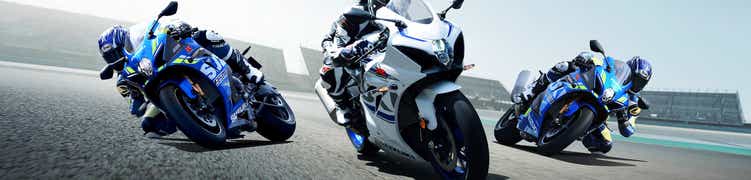
The Suzuki GSX-R 1000 stands as a formidable legend within the pantheon of superbikes, boasting impressive horsepower figures that captivate enthusiasts and challenge competitors. Yet, the allure of the GSX-R 1000’s sheer power does not always translate directly into real-world performance. Delving deep into the intricate relationship between advertised horsepower and tangible riding experience reveals a multilayered narrative that transcends mere numbers.
Foremost, understanding the genesis of horsepower ratings is crucial. Manufacturers typically measure horsepower under idealized conditions—optimal engine temperatures, perfect atmospheric pressure, and without accounting for the drag and drivetrain losses encountered on actual roads. The GSX-R 1000’s engine is often rated at around 199 horsepower, a testament to Suzuki’s engineering prowess. However, this figure represents peak output, often occurring at high RPMs and under laboratory conditions, rather than the nuanced variability found in everyday riding scenarios.
Contrasting advertised horsepower to real-world performance necessitates an exploration of several contributing elements. Aerodynamics play a pivotal role; while the GSX-R 1000’s fairings are sculpted to reduce drag, factors such as rider posture and wind resistance at high velocities can markedly influence acceleration and top speed. Additionally, environmental variables like humidity, temperature, and altitude impose subtle yet significant effects on engine output and throttle response.
Traction and tire composition further complicate this dynamic. The GSX-R 1000 channels its potent power through the rear wheel, where grip limitations can either unleash the bike’s full fury or curtail it abruptly. Modern traction control systems integrated within the bike’s electronic suite endeavor to optimize power delivery, balancing aggression with safety. These sophisticated control mechanisms modulate output to prevent wheelspin, especially under rapid throttle openings, thereby refining the correlation between mechanical horsepower and usable power.
Equally vital is the rider’s skill and perception. The transforms raw horsepower into speed curves and lap times are mediated by the rider’s ability to harness and modulate that energy efficiently. Novices may find the thrust overwhelming, while seasoned racers manipulate the beast’s characteristics to extract microseconds on the track. Understanding throttle modulation, cornering dynamics, and brake control can vastly alter the real-world manifestation of the GSX-R 1000’s horsepower.
The technological intricacies embedded within the GSX-R 1000 contribute significantly to its performance identity. Features such as the advanced Ride-by-Wire throttle system, multiple selectable power modes, and a finely tuned quick-shifter enhance responsiveness and adaptability. These systems allow riders to tailor the motorcycle’s behavior to suit diverse environments, from urban streets to asphalt raceways, thus shaping the experience that raw horsepower alone cannot encapsulate.
When dissecting real-world acceleration figures, the disparity between dyno-measured horsepower and on-road speed becomes more evident. Launching swiftly from a standstill demands a harmonious interplay of engine torque, clutch engagement, and tire traction; merely possessing high horsepower does not guarantee blistering 0-60 mph times. The GSX-R 1000’s high torque output in the midrange complements its horsepower rating, providing the muscular thrust necessary for rapid acceleration beyond what peak horsepower numbers might suggest.
Furthermore, the motorcycle’s chassis and suspension architecture underpin stability and handling, crucial elements that influence perceived and actual performance. A well-engineered frame, paired with adjustable suspension components, ensures that the power generated is transmitted with precision and control. The GSX-R 1000’s balance of rigidity and suppleness allows aggressive cornering and confident lean angles, which, combined with its powerplant, culminate in a cohesive riding experience that transcends horsepower stats.
Fuel economy and heat management present less glamorous but equally essential aspects affecting real-road performance. Higher horsepower engines often generate increased heat, necessitating efficient cooling systems to maintain reliability and consistent output. The GSX-R 1000’s innovative cooling solutions and refined fuel injection system work synergistically to optimize combustion efficiency, ensuring that power delivery remains stable even during prolonged spirited riding sessions.
Analyzing competitive contexts further elucidates the distinction between horsepower and practical superiority. On the racetrack, fractional differences in tuning, aerodynamics, and rider strategy can eclipse nominal horsepower disparities. This reality challenges the myth that greater horsepower unequivocally equates to superior performance. The GSX-R 1000, renowned for its balanced package, often outperforms more powerful rivals due to its holistic engineering approach that integrates power with agility, electronics, and ergonomics.
In summary, the GSX-R 1000’s horsepower rating represents only one facet of its multifaceted performance tapestry. Real-world riding encompasses intricate variables—environmental conditions, rider expertise, technological aids, mechanical design—that collectively define the motorcycle’s true capabilities. Appreciating these complexities fosters a deeper understanding of how raw power translates into palpable performance.
For riders and enthusiasts seeking a profound connection with their superbike, embracing the nuanced relationship between horsepower and real-world dynamics enriches the riding experience. The GSX-R 1000 exemplifies how engineering mastery and rider synergy combine to transform numerical figures into thrilling, controllable power. Unveiling the truth behind the horsepower myth reveals not merely a machine, but a harmonious synthesis of force, precision, and artistry on two wheels.