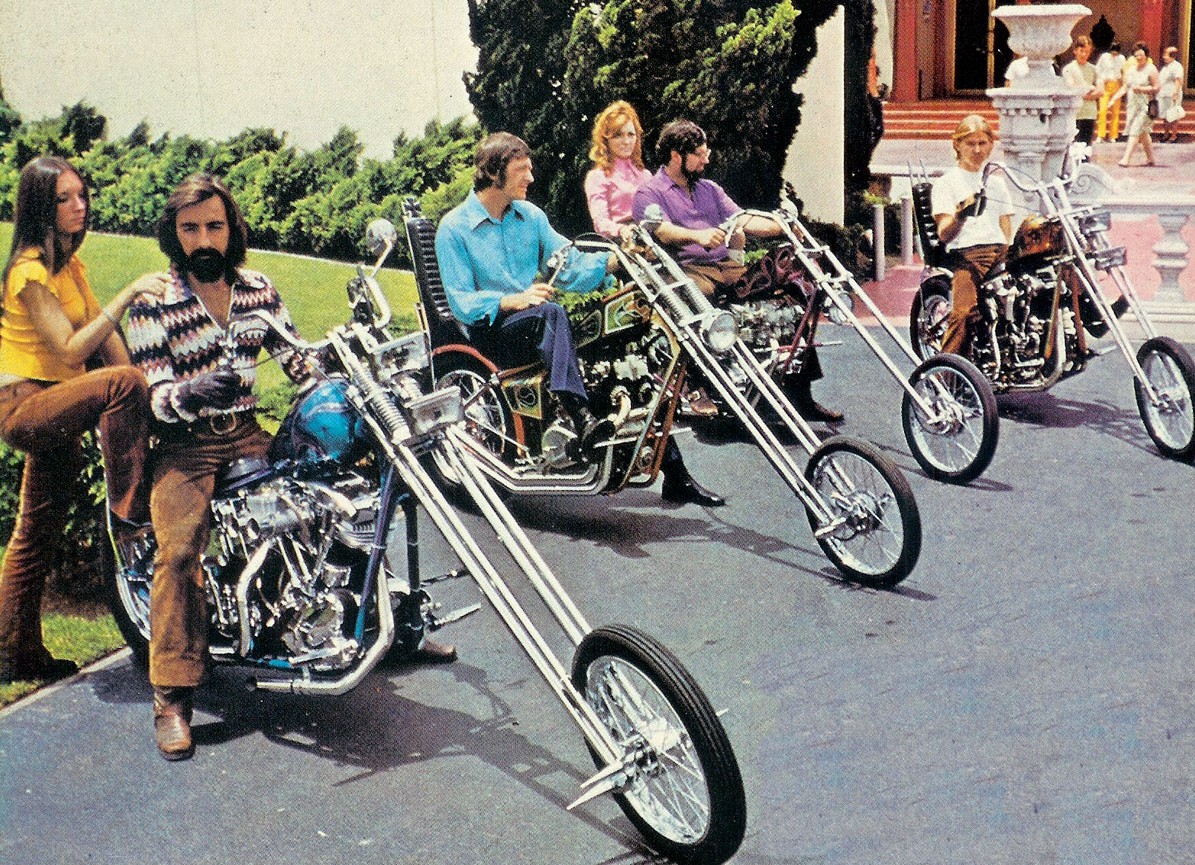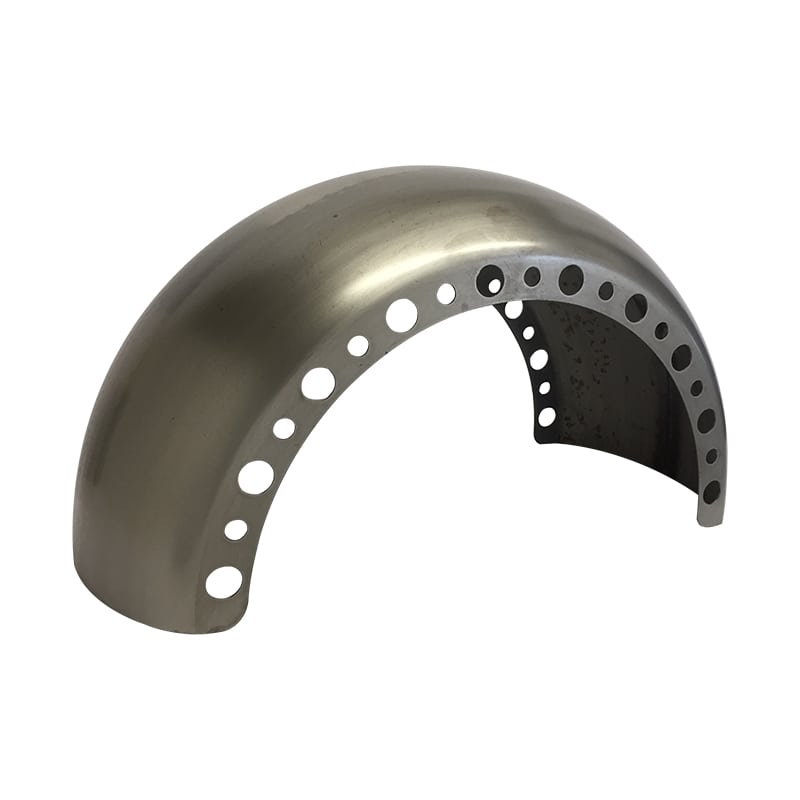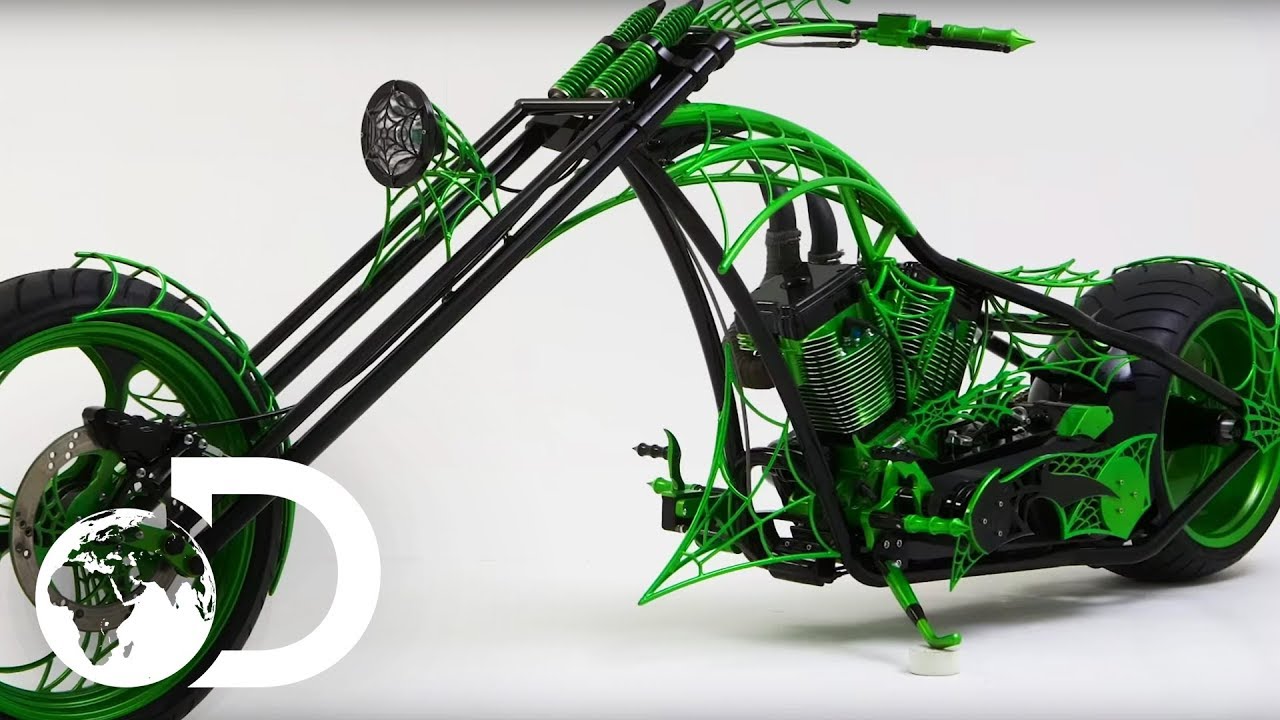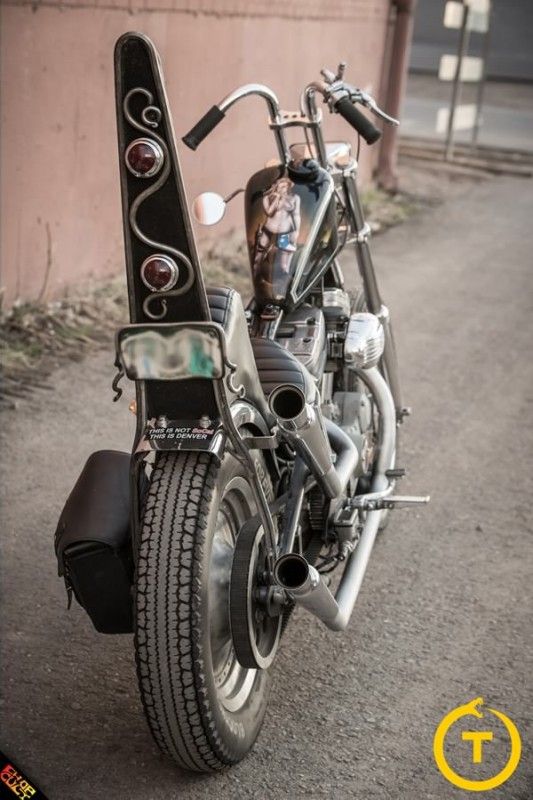
The roar of a custom chopper’s engine isn’t just a sound—it’s a symphony of rebellion, craftsmanship, and raw individuality. In the past few decades, reality television has transformed this symphony from a niche hobbyist’s dream into a global phenomenon, reshaping the custom chopper motorcycle market into a glittering spectacle of artistry and excess. What was once the domain of grease-stained garages and whispered legends in biker circles now commands prime-time audiences, where the clatter of chains and the gleam of chrome are as much a part of the cultural lexicon as the roar of a Harley Davidson. Reality TV didn’t just document the custom chopper world; it ignited it, fanning the flames of creativity into a bonfire of innovation, controversy, and unbridled passion.
The Birth of a Cultural Alchemy: From Garage to Glittering Screen
Before the cameras rolled, custom choppers were the silent musings of outlaw artisans—men and women who wielded wrenches like poets wield pens, bending steel into statements of defiance. Reality TV, with its insatiable appetite for drama and spectacle, saw in these mechanical masterpieces a goldmine of storytelling potential. Shows like American Chopper didn’t just showcase bikes; they dramatized the creative process, turning the act of building a chopper into a high-stakes narrative of family dynamics, financial gambles, and artistic ego. The chopper became more than a machine; it was a character in its own right, a protagonist in a saga of sweat, steel, and sheer audacity.
The alchemy lay in the fusion of raw craftsmanship with the addictive allure of reality TV’s cliffhangers. Viewers weren’t just watching a bike come to life—they were witnessing a transformation, a metamorphosis from humble steel tubes to gleaming, roaring beasts. This wasn’t mere entertainment; it was a cultural awakening, a moment when the garage-dwelling dreamer could step into the spotlight, if only through the glow of a television screen.
The Chopper as Canvas: Artistry Meets Mass Appeal
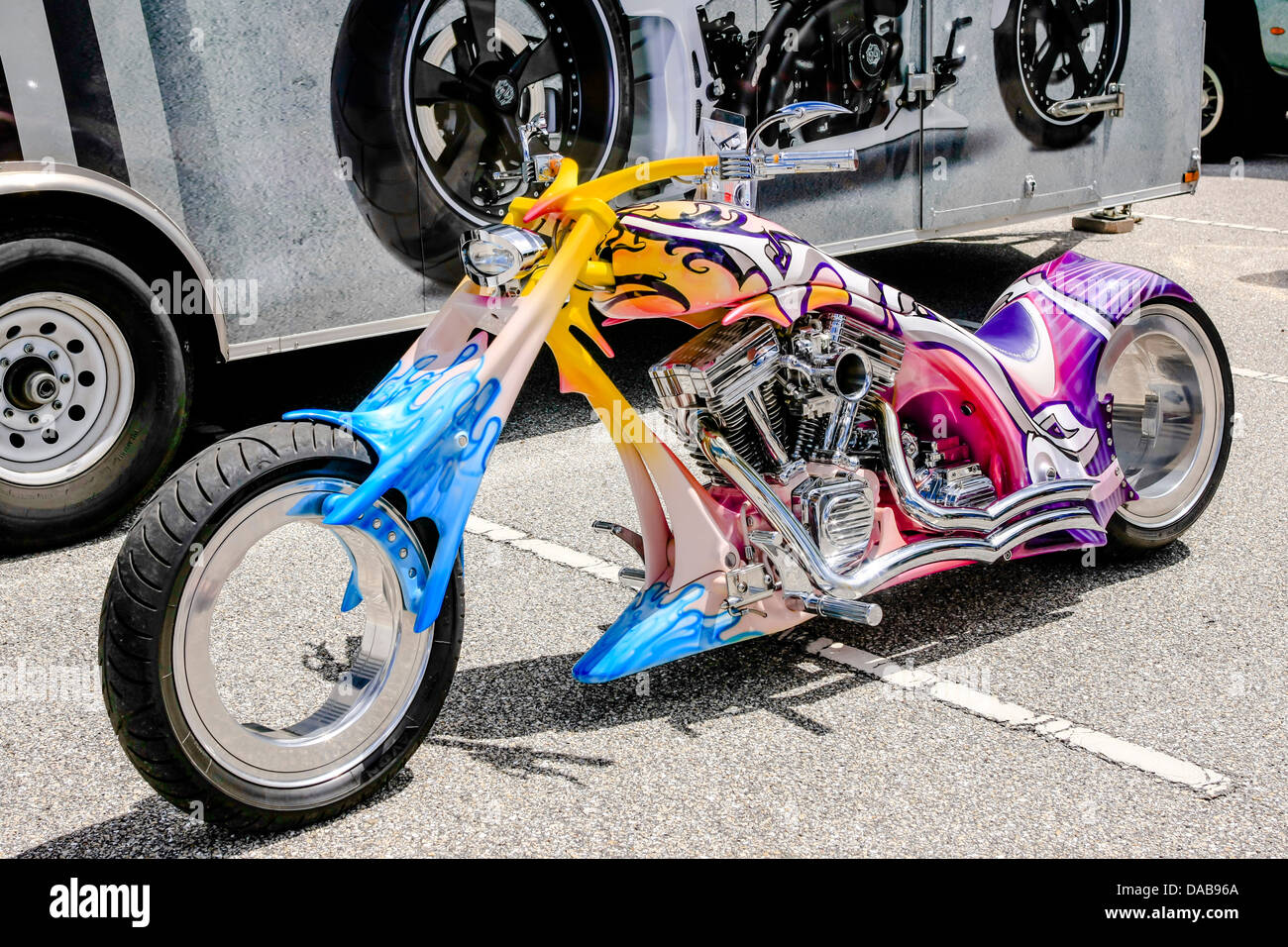
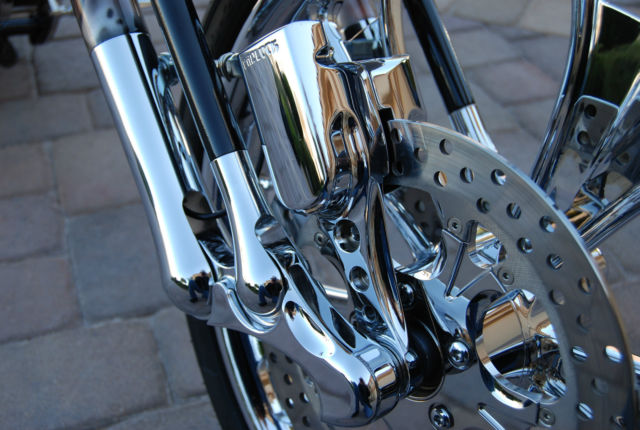
Custom choppers have always been rolling sculptures, each one a testament to the builder’s vision and the rider’s soul. Reality TV amplified this artistic dimension, turning the chopper into a canvas where metal, paint, and engineering prowled side by side with the brushstrokes of a painter. The rise of shows like Biker Mice from Mars (yes, even animated series caught the fever) and Chopped’s motorcycle spin-offs proved that the appeal wasn’t just about the ride—it was about the spectacle of creation.
Builders became celebrities overnight, their names synonymous with innovation. The chopper’s frame, once a blank slate of possibilities, now bore the fingerprints of fame. From the skeletal elegance of a pro street chopper to the baroque excess of a bobber dripping with vintage flair, the market diversified into a kaleidoscope of styles. Reality TV didn’t just popularize these designs; it turned them into trends, with builders racing to outdo one another in a high-octane game of one-upmanship. The chopper, once a symbol of solitude and self-reliance, became a social currency, a way to broadcast identity to the world.
The Dark Side of the Chrome: Drama, Debt, and Divided Loyalties
But where there is spectacle, there is also shadow. Reality TV’s magnification of the custom chopper world didn’t just highlight creativity—it laid bare the fractures beneath the gleam. The pressure to deliver jaw-dropping builds on tight deadlines led to burnout, financial strain, and even the dissolution of long-standing partnerships. The Paughco vs. Orange County Choppers feud, immortalized on screen, wasn’t just a clash of egos—it was a cautionary tale about the cost of fame in an industry built on passion, not profit margins.
Builders found themselves trapped in a paradox: the more they chased the spotlight, the more their artistry risked becoming a commodity. Sponsors demanded instant results. Fans expected miracles. The chopper, once a deeply personal expression, became a product to be marketed, its soul at risk of being diluted by the very medium that brought it to prominence. The reality TV glow, it turned out, could be as blinding as it was illuminating.
The Ripple Effect: How TV Transformed the Market’s DNA
The impact of reality TV on the custom chopper market wasn’t confined to the screen. It seeped into the very DNA of the industry, altering consumer behavior, supply chains, and even the definition of what a “custom” bike could be. Suddenly, choppers weren’t just for weekend warriors—they were aspirational objects, coveted by collectors and casual riders alike. Dealerships sprouted up overnight, catering to the new wave of enthusiasts who wanted a piece of the action without the years of wrenching under the hood.
Manufacturers, too, felt the tremors. Companies like Harley-Davidson and Indian, long the titans of the motorcycle world, found themselves playing catch-up as boutique builders gained cult status. The chopper market splintered into niches: the purist who scoffed at mass-produced replicas, the collector who chased limited-edition builds, and the newcomer who saw a chopper as the ultimate status symbol. Reality TV had democratized desire, turning a subculture into a subculture-cum-mainstream obsession.
The Global Stage: Choppers Without Borders
What began as an American phenomenon quickly became a global conversation. European builders, inspired by the likes of Paul Yaffe and Ian Barry, began crafting choppers that blended Old World craftsmanship with New World rebellion. In Asia, where motorcycles were often seen as utilitarian, custom choppers emerged as statements of rebellion against convention. The chopper, once a symbol of American freedom, became a universal language of individuality.
Reality TV acted as the ultimate cultural translator, dubbing over accents and subtitling dreams. Builders from Australia to Argentina found themselves fielding inquiries from fans halfway across the world, their inboxes flooded with requests for custom builds. The chopper, no longer confined to the backroads of California or the alleys of New York, became a passport to a global community of like-minded rebels.
The Future: Will the Honeymoon Last?
As reality TV’s initial frenzy begins to settle into a steady hum, the custom chopper market stands at a crossroads. Will the industry sustain its momentum, or will it succumb to the inevitable fatigue of overexposure? The answer lies in the hands of the builders, the riders, and the audience. The chopper’s appeal has always been its ability to evolve—to shed old skins and don new ones. Perhaps the next chapter will see a return to the roots of craftsmanship, where the chopper is once again a labor of love rather than a ratings ploy.
Or maybe the future is even brighter. With the rise of digital platforms and virtual communities, the chopper’s story no longer needs a television network to be told. Builders are turning to YouTube, Instagram, and TikTok to share their journeys, forging direct connections with fans. The chopper’s narrative is no longer confined to the constraints of a 30-minute episode—it’s an ongoing saga, a living, breathing entity that grows with each weld, each coat of paint, each rev of the engine.
The reality TV era may have been the spark, but the fire it ignited shows no signs of dying. The custom chopper market, once a whisper in the wind, now roars with a voice that echoes across continents and cultures. It’s a testament to the power of storytelling, the allure of rebellion, and the unbreakable bond between human and machine. The chopper isn’t just a bike. It’s a movement—and it’s only getting started.